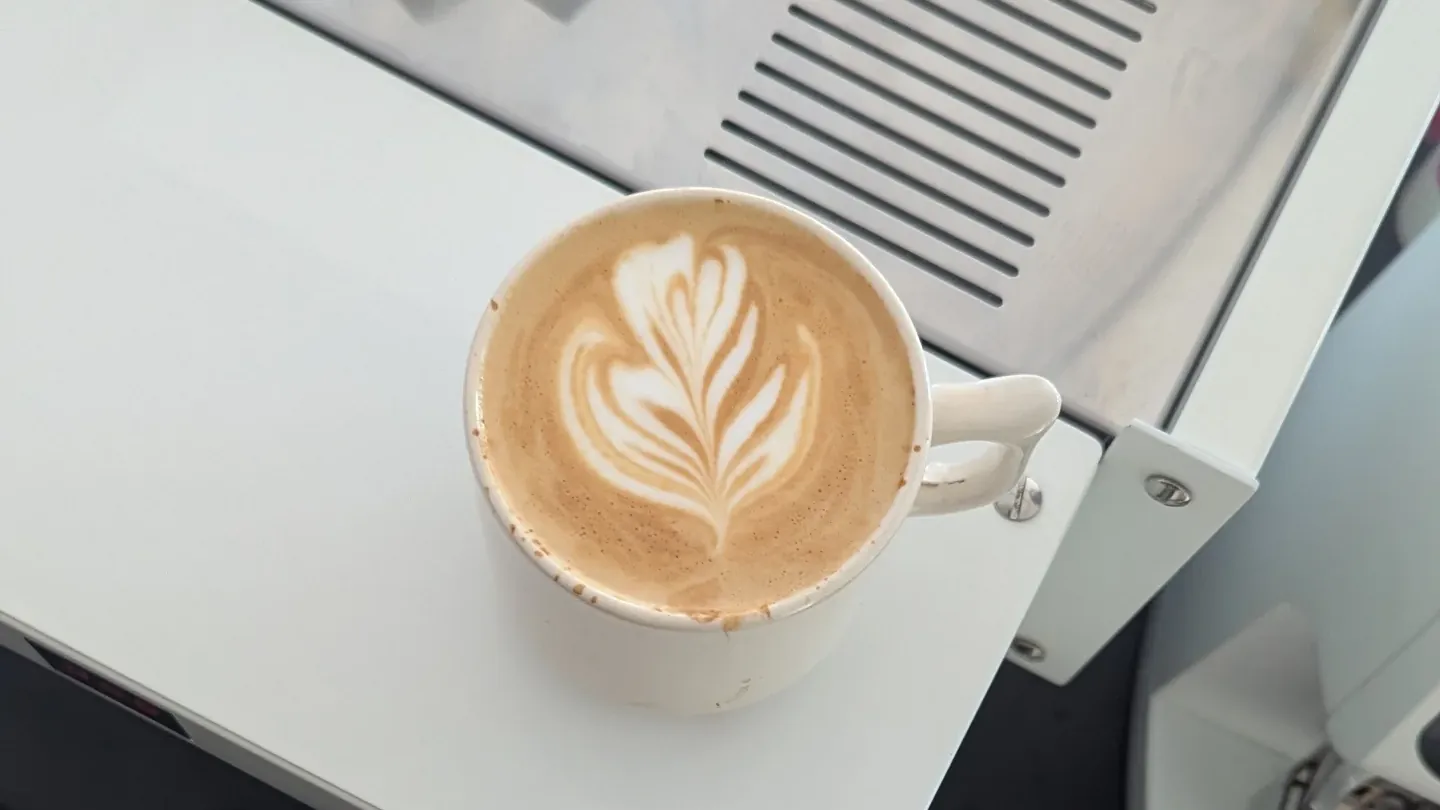
Café menu engineering: how to price coffee drinks in Pakistan
Work out cost per cup in rupees, set prices that protect your margin and design a café menu that sells the drinks you want to sell.
Read the guideChoosing beans and roasters that suit your menu, with cupping, blend design and supply continuity.

Service 07
Finding specialty coffee beans in Pakistan used to mean importing bags of roasted coffee and hoping they had not gone stale on the way. Today there are capable local roasters as well as imported brands, which gives cafés more choice and more ways to get it wrong. The right bean depends on your menu, your milk, your price point and how reliably a supplier can deliver fresh coffee every week.
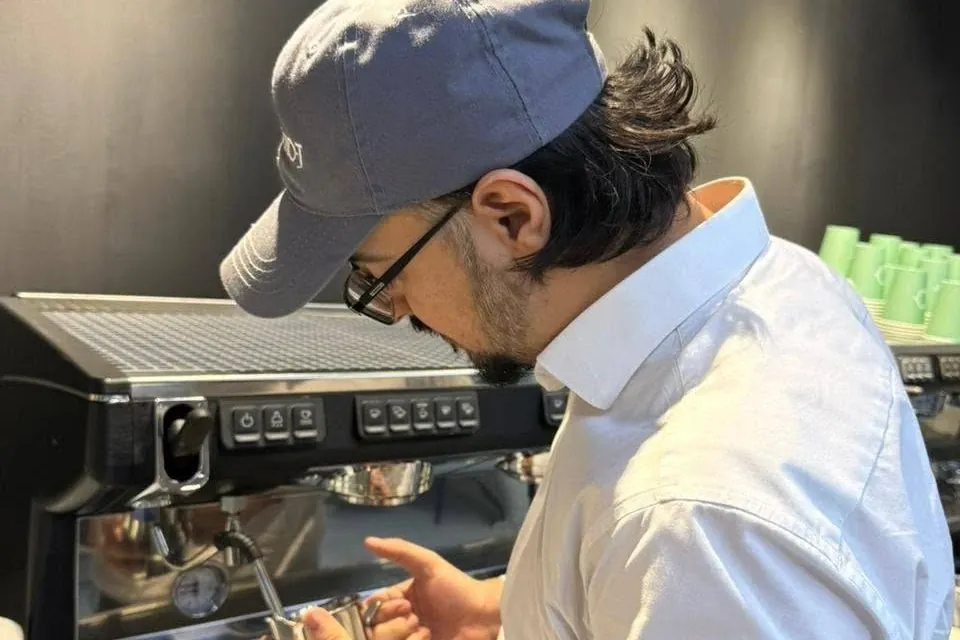
This service helps you choose with your own palate rather than a sales pitch. Ahmed Hussain, a Lahore-based coffee consultant with years of hands-on café work in Saudi Arabia and Pakistan, sets up side-by-side cuppings, tests shortlisted coffees on your machine with your milk, and builds an ordering routine that keeps your hopper full of fresh beans. He does not sell coffee or take commission from roasters, so the recommendation is about what suits your café in Lahore or anywhere else in Pakistan.
What you get
A structured blind cupping of shortlisted coffees, with notes on flavour, consistency, price and service for each roaster.
A recommended espresso coffee that works in milk drinks, iced drinks and as a straight shot on your equipment.
One or two rotating single origins for espresso or filter, chosen to suit your customers and your bar’s capacity.
An ordering routine based on your weekly usage, with roast-date rules, resting time and minimum stock levels.
The questions to ask any roaster about lot changes, roast consistency, delivery and price adjustments.
How it runs
Your drinks list, milk, equipment and weekly coffee usage are reviewed to define what the beans need to do.
Suitable local and imported options are shortlisted and samples are requested from each.
Coffees are cupped blind, then the strongest candidates are dialled in on your machine and tasted in your actual drinks.
The final choice is agreed and an ordering and freshness schedule is set up with the supplier and your team.
Both routes can work, but they fail in different ways. Here is how they usually compare for a café in Pakistan.
| Factor | Local roaster | Imported roasted coffee |
|---|---|---|
| Freshness on arrival | Days after roasting, if ordered well | Often weeks or months after roasting |
| Price stability | Still affected by green coffee and the dollar, but adjusted less often | Moves directly with the dollar rate and shipping costs |
| Consistency | Depends on the roaster’s skill and quality control | Usually consistent, though not always fresh |
| Custom blends | Often possible at modest volume | Rarely possible |
| Supply risk | Roaster capacity and green stock | Port clearance delays and import restrictions |
For most cafés, a good local roaster offers the best balance of freshness and control, as long as they can show roast dates and keep a steady supply. Imported coffee can still make sense for a specific brand concept or as a guest coffee. A broader overview of the market is in the guide to specialty coffee beans in Pakistan.
Most orders in Pakistani cafés are milk-based, often sweetened, and in summer many are iced. Fresh milk here can be richer than the milk many imported blends were designed for, which can bury a light, delicate coffee completely. A house espresso usually needs enough body and sweetness to cut through milk and syrup, with chocolate, caramel and nut flavours that most customers find familiar.
That does not mean the darker the better. Very dark roasts taste ashy as straight shots and turn bitter as they cool in an iced drink. The cupping process tests candidates in the drinks you actually sell, from espresso to iced latte, before anything is chosen. The same coffee then becomes the base for the recipes built in menu development and costing.
A single origin on the side gives regular customers something new to try and lets the bar team learn more about coffee. Keep it to one or two at a time so the grinder and the team are not stretched.
Coffee is at its best for a limited window after roasting, and Lahore’s summer heat shortens it if bags sit in a warm store. A simple ordering routine prevents both stale coffee and empty hoppers:
If you are thinking about roasting yourself rather than buying, the roastery setup service covers that decision in detail.
FAQ
Still unsure? Ask Ahmed on WhatsApp.
Specialty coffee is available from a growing number of local roasters in cities such as Lahore, Karachi and Islamabad, and from importers of roasted coffee brands. For a café, the important questions are freshness, consistency and reliable supply rather than the name on the bag. Cupping several options side by side is the best way to choose.
Specialty coffee is graded for quality, with fewer defects and a clear origin, and is usually roasted to show its flavour rather than hide it. Commercial coffee is bought mainly on price and is often roasted dark for consistency. The difference is most noticeable in espresso and black coffee.
Multiply the number of espresso shots per day by the dose and the number of trading days. For example, a café pulling one hundred double shots a day at around 18 grams uses close to two kilograms of coffee daily, which adds up quickly over a month. Filter coffee and waste during dial-in add to that figure.
You can, but it rarely shows either at its best. Espresso blends are usually chosen to work with milk, while filter coffees are often lighter roasts with brighter flavours. Many cafés keep one house espresso and one rotating coffee for filter.
Keep exploring
02
Hands-on training for your team in espresso, milk, latte art, hygiene and speed of service.
Learn more
03
Signature drinks and a menu priced for margin, with recipes your team can repeat on a busy evening.
Learn more
06
Planning a small-batch roastery: roaster choice, ventilation, roast profiles and quality control.
Learn more
Work out cost per cup in rupees, set prices that protect your margin and design a café menu that sells the drinks you want to sell.
Read the guide
Local roaster or import? How cafés in Pakistan choose specialty beans, read a roast date, run a cupping and keep supply fresh and consistent.
Read the guideCoffee consultant by city
Ready when you are
Tell Ahmed where your plan stands today. You get a clear next step within one working day.