How to open a coffee shop in Lahore: a step-by-step guide
Location, licences, budget, equipment, team and launch: the full path to opening a coffee shop in Lahore, from a consultant who does it on the ground.
Read the guideThe right espresso machine, grinders, water filtration and brewers for your volume and budget.
Service 04
Choosing an espresso machine for a café in Pakistan is less about brand names and more about matching the machine to your volume, your water and your electricity supply. A machine that runs perfectly in Milan can struggle in a Lahore shop with hard water, voltage drops and two hours of load-shedding a day, and the cost of getting it wrong is a broken boiler in the first summer.
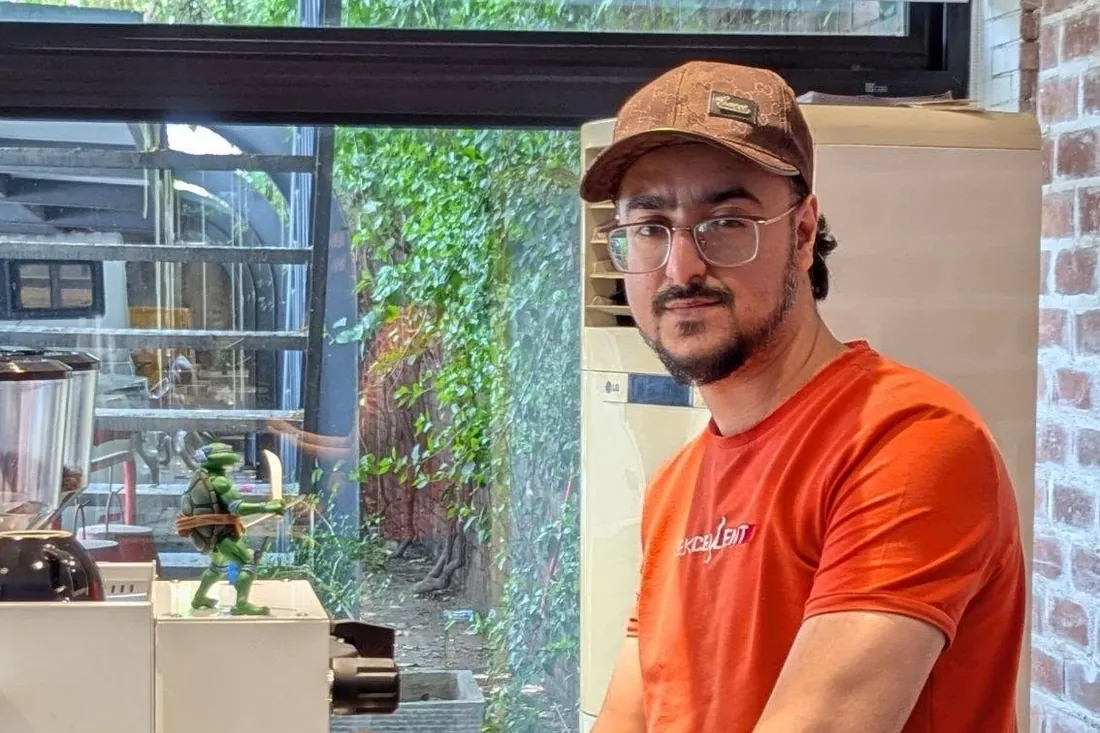
Ahmed Hussain, a Lahore-based coffee consultant who has run busy café bars in Saudi Arabia and Pakistan, helps you specify the machine, grinders, water filtration and brewers your menu actually needs. He does not sell equipment and earns no commission. He writes the specification, compares the quotes you receive from suppliers across Pakistan, and checks that the installation is done properly before your first customer arrives.
What you get
A written specification for the espresso machine and grinders, sized to your menu and peak-hour volume, with acceptable alternatives.
Water test results and a recommended filtration or softening setup, with a cartridge or service schedule your team can follow.
The electrical load, socket and circuit requirements and a sensible approach to stabilisers, UPS and generator changeover.
A side-by-side comparison of supplier quotes covering price, warranty, parts availability, service response and what is actually included.
An on-site check that the machine, water line, drain and power are installed to specification and that the machine is set up correctly.
A list of scales, pitchers, tampers, brewers and other bar tools so nothing is missing on day one.
How it runs
Your drinks list and expected peak hour are turned into a clear requirement for groups, boiler size and grinders.
Water is tested and the power supply, backup arrangements and drainage at the site are reviewed.
A written specification goes to the suppliers you choose, and their quotes are compared like for like.
Ahmed checks the installation on site, sets brew pressure and temperature with the technician, and dials in the first coffee.
A two-group commercial espresso machine typically has heating elements in the region of several kilowatts and needs a dedicated circuit. In many Pakistani buildings the bigger problem is not the load but the quality of the supply. Voltage can sag well below its rated level in the evening peak and spike when power returns after load-shedding, and those swings are hard on heating elements, pumps and control boards.
Practical points that come up on almost every site:
These decisions also affect the bar layout and electrical drawings, which is why they are coordinated with the café design and bar workflow service when both are booked.
Water in Lahore, Karachi and many other cities varies from street to street and is often hard or high in dissolved solids. Hard water builds scale inside boilers and heat exchangers, and scale is the most common reason for expensive repairs. Water that has been stripped too far by reverse osmosis can taste flat and may also be harsh on metal parts.
The answer is to test first and treat second. A simple test of total dissolved solids and hardness at the site points to the right setup, whether that is a softener, a filter cartridge or an RO unit with remineralisation. The treatment plan also sets a schedule for changing cartridges, because a filter that has not been changed for a year protects nothing.
Almost every commercial espresso machine in Pakistan is imported, so prices move with the dollar rate and quotes often carry a short validity. The table below compares the usual routes. Prices are not shown because they vary by supplier and area and change with each shipment.
| Route | Main advantage | Main risk |
|---|---|---|
| New machine from an authorised local distributor | Warranty, trained technicians and spare parts in the country | Highest upfront price |
| New machine imported directly or through an unofficial channel | Lower purchase price | No local warranty, slow or costly parts |
| Refurbished or used machine | Lowest entry cost | Unknown history, scale damage, worn parts |
Ask every supplier who services machines in your city, how long common parts take to arrive and what the warranty excludes. For a deeper guide to models and sizing, read choosing an espresso machine for a café in Pakistan. Once the machine is installed, barista training makes sure the team uses and cleans it the way it was designed to be used.
FAQ
Still unsure? Ask Ahmed on WhatsApp.
There is no single best machine. The right choice depends on how many drinks you sell at peak, how much milk your menu uses, your water quality and whether a trained technician for that brand is available in your city. A reliable machine with local support often beats a more famous one without it.
Prices vary widely with brand, number of groups, boiler design and the dollar rate. As an indicative range that varies by supplier and area, a new two-group machine from a recognised brand can cost from around PKR 1.5 million to well over PKR 5 million, and refurbished machines sit below that. Always compare what each quote includes, such as grinder, water treatment and installation.
In most Pakistani locations it is strongly advisable. Voltage drops and surges after load-shedding can damage elements, pumps and electronic boards. The stabiliser must be rated for the machine’s full load, and some machines also need a dedicated circuit or three-phase supply.
No. Ahmed does not sell equipment and does not take commission from suppliers. He writes the specification, compares the quotes you receive and checks the installation, so the advice is independent of any one brand.
Keep exploring
02
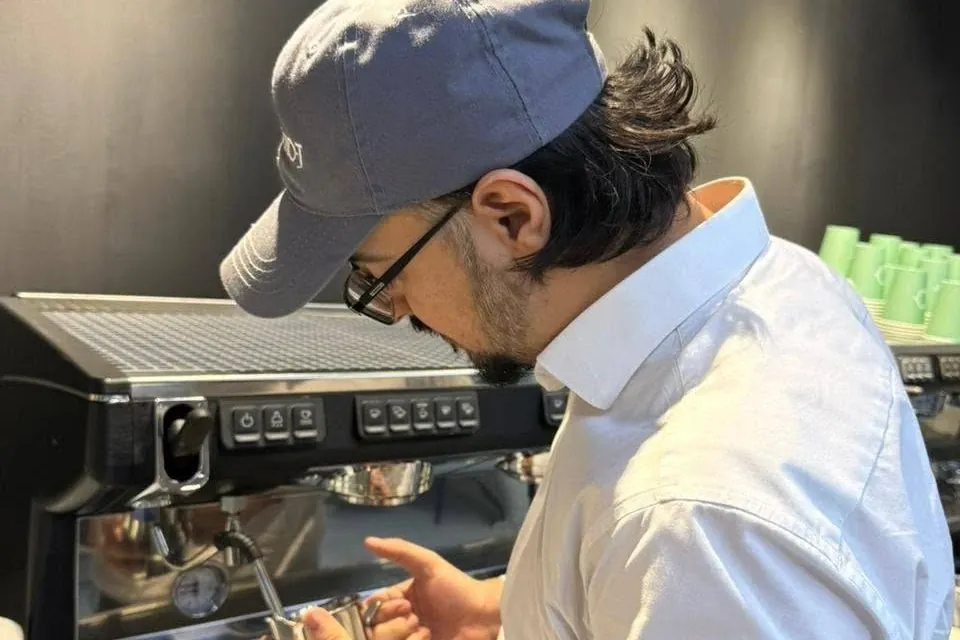
Hands-on training for your team in espresso, milk, latte art, hygiene and speed of service.
Learn more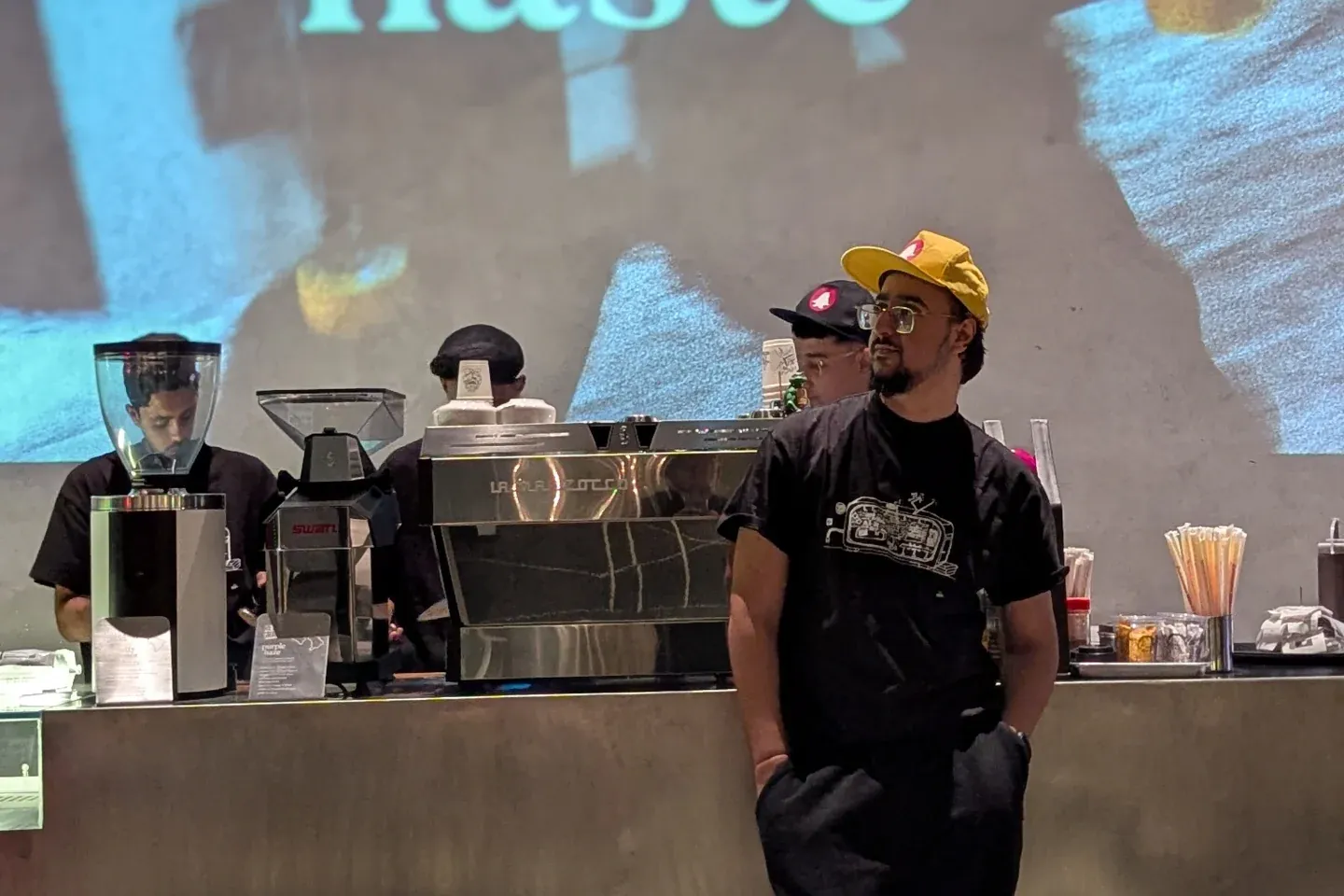
05
A bar layout that lets two baristas serve a queue without crossing paths, inside a room guests remember.
Learn more
08
Investment, running costs, cost per cup and break-even, written so you can decide before you sign a lease.
Learn more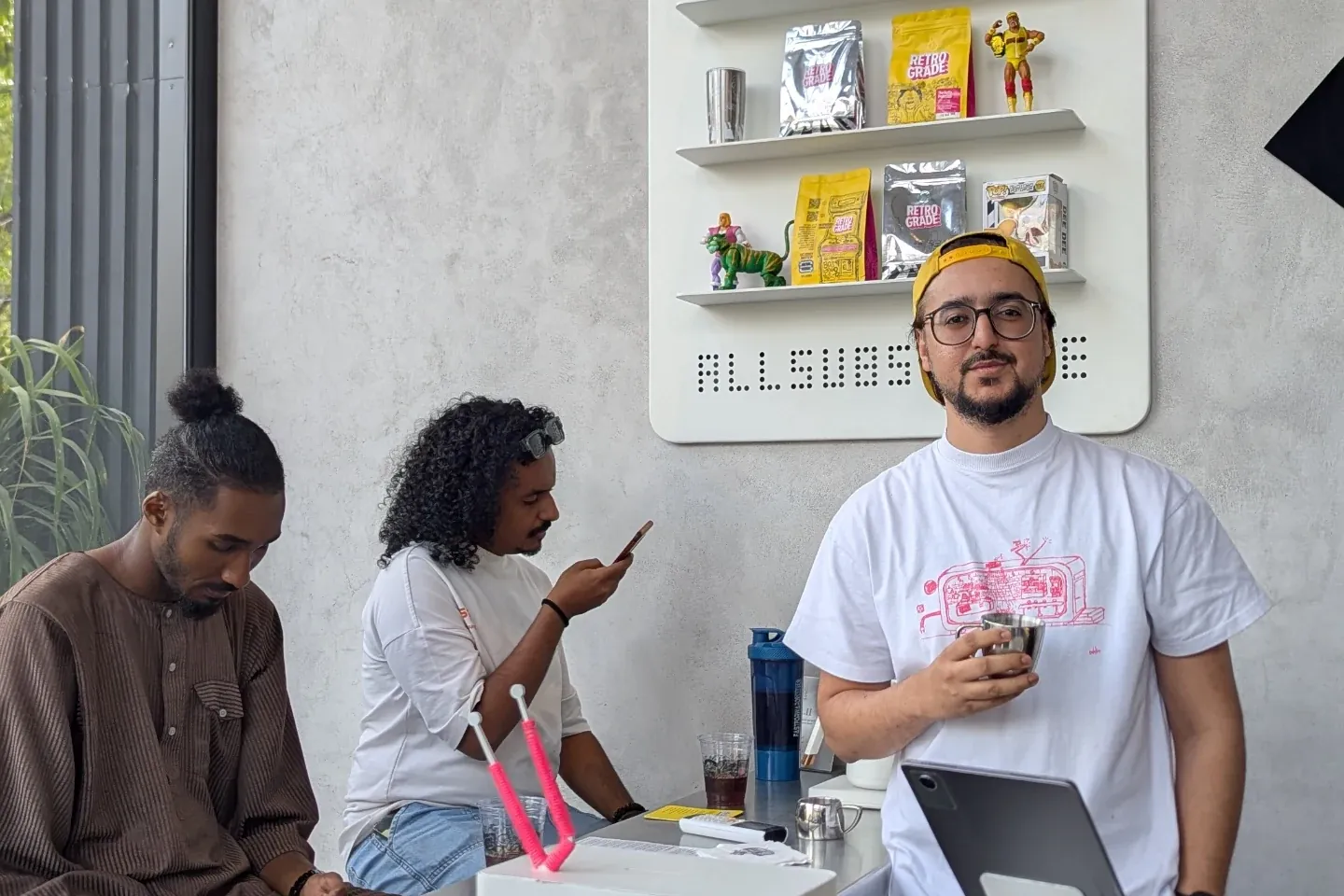
Location, licences, budget, equipment, team and launch: the full path to opening a coffee shop in Lahore, from a consultant who does it on the ground.
Read the guide
Groups, boilers, grinders, water and voltage: how to choose café espresso equipment in Pakistan that suits your volume, power supply and after-sales.
Read the guideCoffee consultant by city
Ready when you are
Tell Ahmed where your plan stands today. You get a clear next step within one working day.