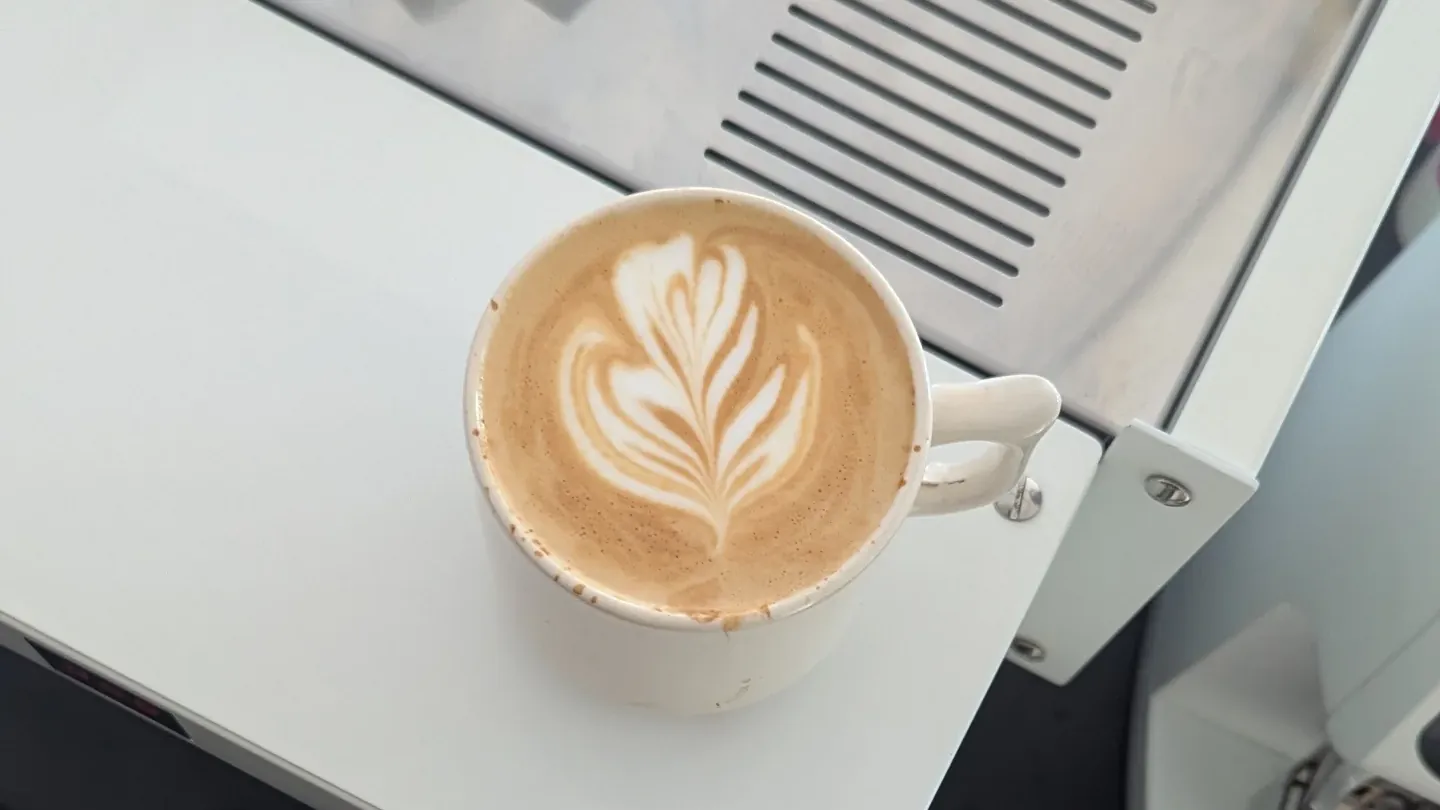
How to open a coffee shop in Lahore: a step-by-step guide
Location, licences, budget, equipment, team and launch: the full path to opening a coffee shop in Lahore, from a consultant who does it on the ground.
Read the guideInvestment, running costs, cost per cup and break-even, written so you can decide before you sign a lease.

Service 08
A coffee shop business plan in Pakistan is only useful if it is written before the lease is signed, while the numbers can still change the decision. Too many plans are produced after the money has been committed, to justify a choice rather than test it. This service tests the idea first: what it will cost to open, what it will cost to run each month, how many cups you need to sell to cover those costs, and what happens if sales come in slower than hoped.
The work is done by Ahmed Hussain, a Lahore-based coffee consultant who has worked café bars in Saudi Arabia and Pakistan and launched Retrograde Coffee in Lahore, so the assumptions come from how cafés really trade rather than from a template. The finished plan is written for you to decide with, and in a form you can share with partners, investors or a bank anywhere in Pakistan.
What you get
A line-by-line estimate of the investment needed to open, with indicative ranges and a contingency for overruns.
A monthly operating budget covering rent, salaries, utilities, ingredients, packaging, fees and maintenance.
Cautious, expected and strong sales scenarios, with the number of cups per day needed to break even in each.
Costed recipes for your core drinks so the margin in the plan matches what the bar will actually make.
A written plan covering concept, market, location, operations, team and financials, ready to share with partners or lenders.
A short, plain summary of the risks and what would need to be true for the café to work.
How it runs
You share the concept, the site or sites you are considering, the rent on offer and your budget range.
Fit-out, equipment, staffing and running costs are estimated for your city and area, with current supplier input where possible.
Sales scenarios are built from the site, seating, opening hours and menu, and the break-even point is calculated.
The written plan is delivered and reviewed with you, including what to change if the numbers do not work.
Most first-time owners budget carefully for the visible parts of a café, the interior and the espresso machine, and underestimate everything around them. A complete start-up budget for a café in Pakistan should cover at least the following.
| Budget line | What it includes | What is often missed |
|---|---|---|
| Lease costs | Advance rent and security deposit | Landlords commonly ask for several months up front |
| Fit-out | Civil work, electrical, plumbing, finishes, furniture | Utility upgrades and drainage for the bar |
| Equipment | Espresso machine, grinders, fridges, ice maker, brewers | Water treatment, stabilisers and small tools |
| Power backup | UPS, generator or solar, wiring and changeover | Fuel and maintenance once trading |
| Licences and registrations | Food authority licence, tax and local permits | Time taken, not only fees |
| Pre-opening costs | Hiring, training, salaries before opening, initial stock | Wasted stock during training and soft launch |
| Launch and marketing | Signage, photography, social media, opening events | Ongoing spend after the first month |
| Contingency | A reserve for overruns and slow early months | Usually left out entirely |
Every figure in the plan is given as an indicative range that varies by supplier and area, because a fit-out in a prime part of Lahore or Karachi costs very differently from one in a smaller city. Imported equipment also moves with the dollar rate, so quotes are dated and rechecked before the plan is finalised.
Electricity is the most common shock. Air conditioning, chillers, ice makers and an espresso machine running for long hours through a Lahore summer produce bills far higher than in winter, and tariffs have risen sharply in recent years. A generator adds diesel and servicing on top. The plan models summer and winter months separately rather than averaging them.
Other costs that deserve a line of their own include annual rent increases written into most leases, delivery app commissions, card payment fees, sales tax on services, repairs and filter changes, and the cost of replacing and retraining staff when people leave.
A plan that shows only one sales forecast is a wish, not a plan. The break-even calculation used here is simple and easy to check:
The plan then runs cautious, expected and strong scenarios, and shows how long the investment takes to recover in each. If break-even depends on the strong case, that is a warning to renegotiate rent, change the concept or walk away. Accurate drink costs come from menu development and costing, and the wider steps of opening are covered in the coffee shop setup service. For an outline of what a good plan contains, read the guide to a coffee shop business plan in Pakistan, or book a consultation to start with your own numbers.
FAQ
Still unsure? Ask Ahmed on WhatsApp.
It varies widely with the city, the area, the size of the unit and the standard of fit-out. A small takeaway counter needs far less than a large sit-down café in a prime location, and imported equipment costs move with the dollar rate. The feasibility study gives indicative ranges for your specific site, which vary by supplier and area.
It can be, but profit depends on rent, sales volume, drink margins and cost control rather than on coffee being popular. Many cafés struggle because rent is too high for the sales the site can realistically produce. A feasibility study is designed to find that out before you commit.
Yes. The plan is written in a clear format with the start-up budget, running costs, sales scenarios and break-even, which is what partners, investors and lenders usually want to see. Banks may have their own forms and requirements, which the plan can be adapted to support.
It depends on how quickly site details and supplier quotes become available. A focused study for one site can usually be completed within a few weeks. If a landlord is pressing for a decision, an early summary of the key numbers can be prepared first.
Keep exploring

01
From concept and location to opening day: a complete plan for a café that works from the first cup.
Learn more
03
Signature drinks and a menu priced for margin, with recipes your team can repeat on a busy evening.
Learn more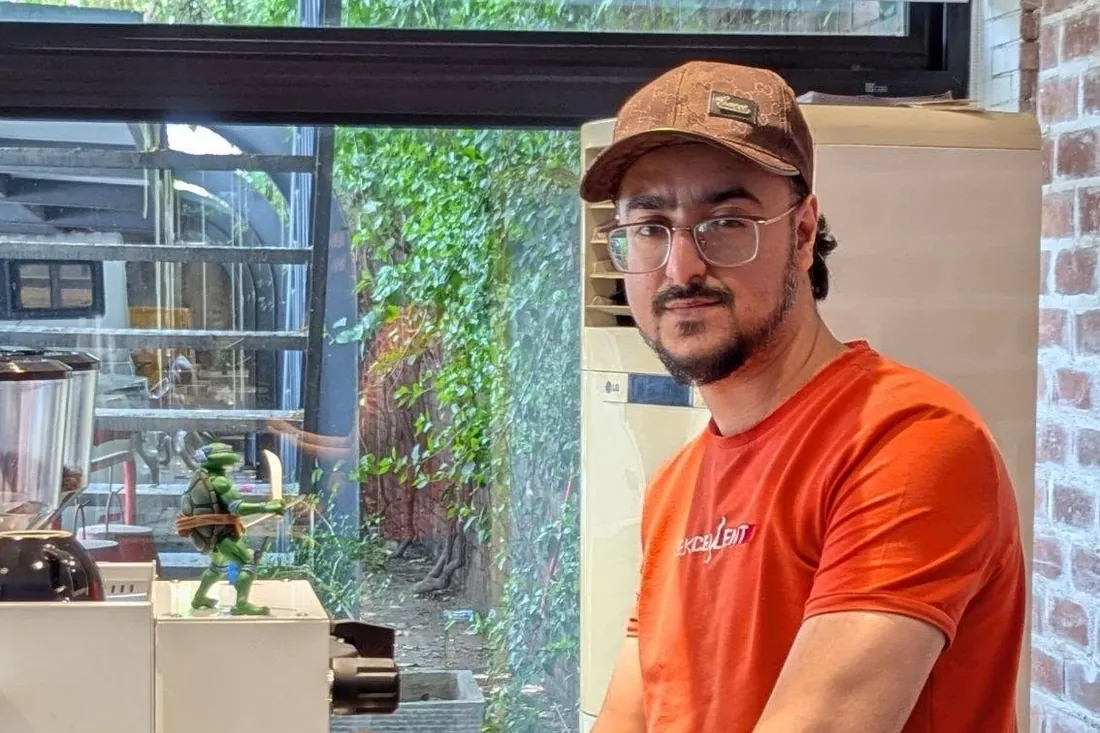
04
The right espresso machine, grinders, water filtration and brewers for your volume and budget.
Learn more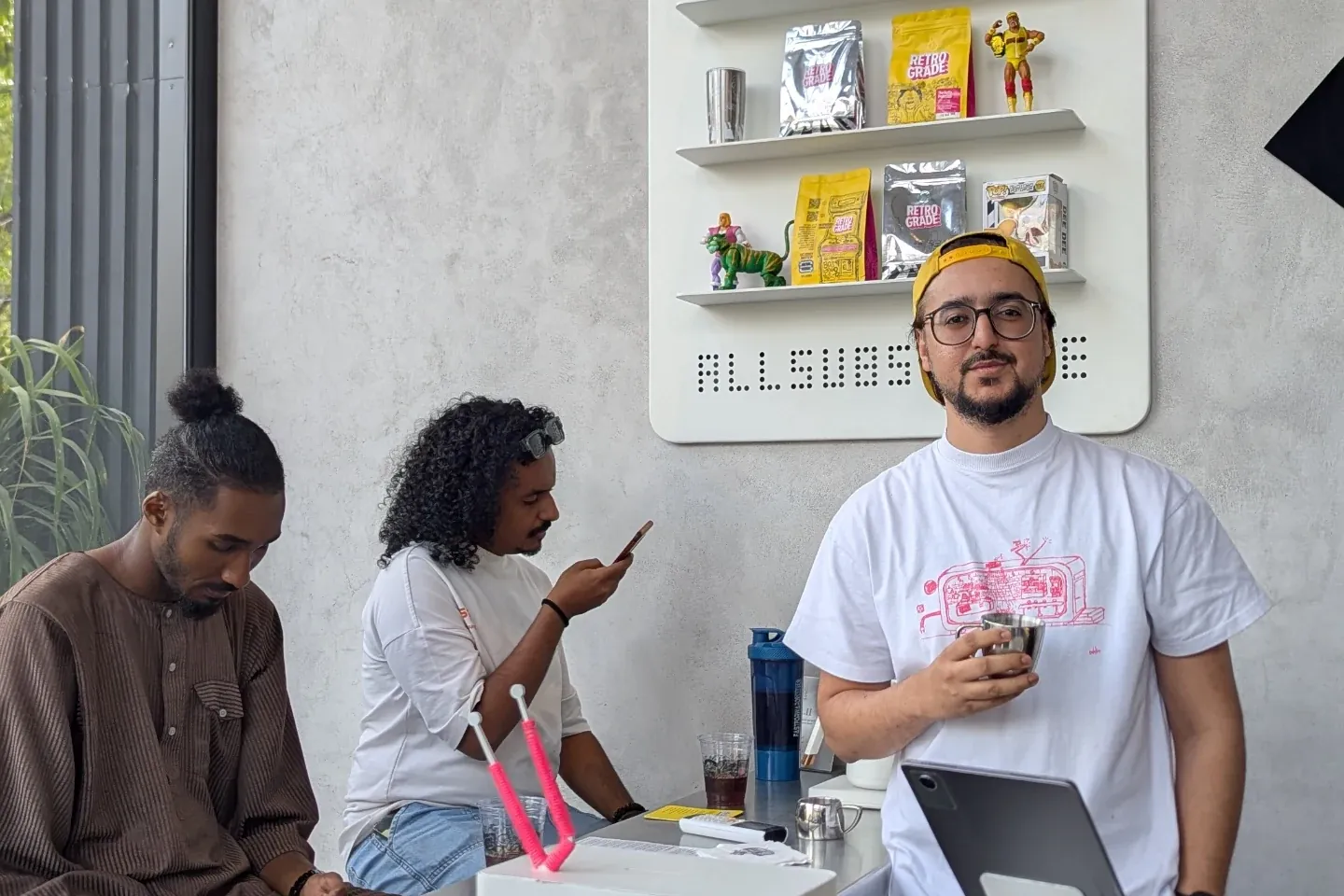
Location, licences, budget, equipment, team and launch: the full path to opening a coffee shop in Lahore, from a consultant who does it on the ground.
Read the guide
How to budget a café in Pakistan: start-up costs, cost per cup, rent-to-sales ratio and the break-even maths that decides whether to sign the lease.
Read the guideCoffee consultant by city
Ready when you are
Tell Ahmed where your plan stands today. You get a clear next step within one working day.