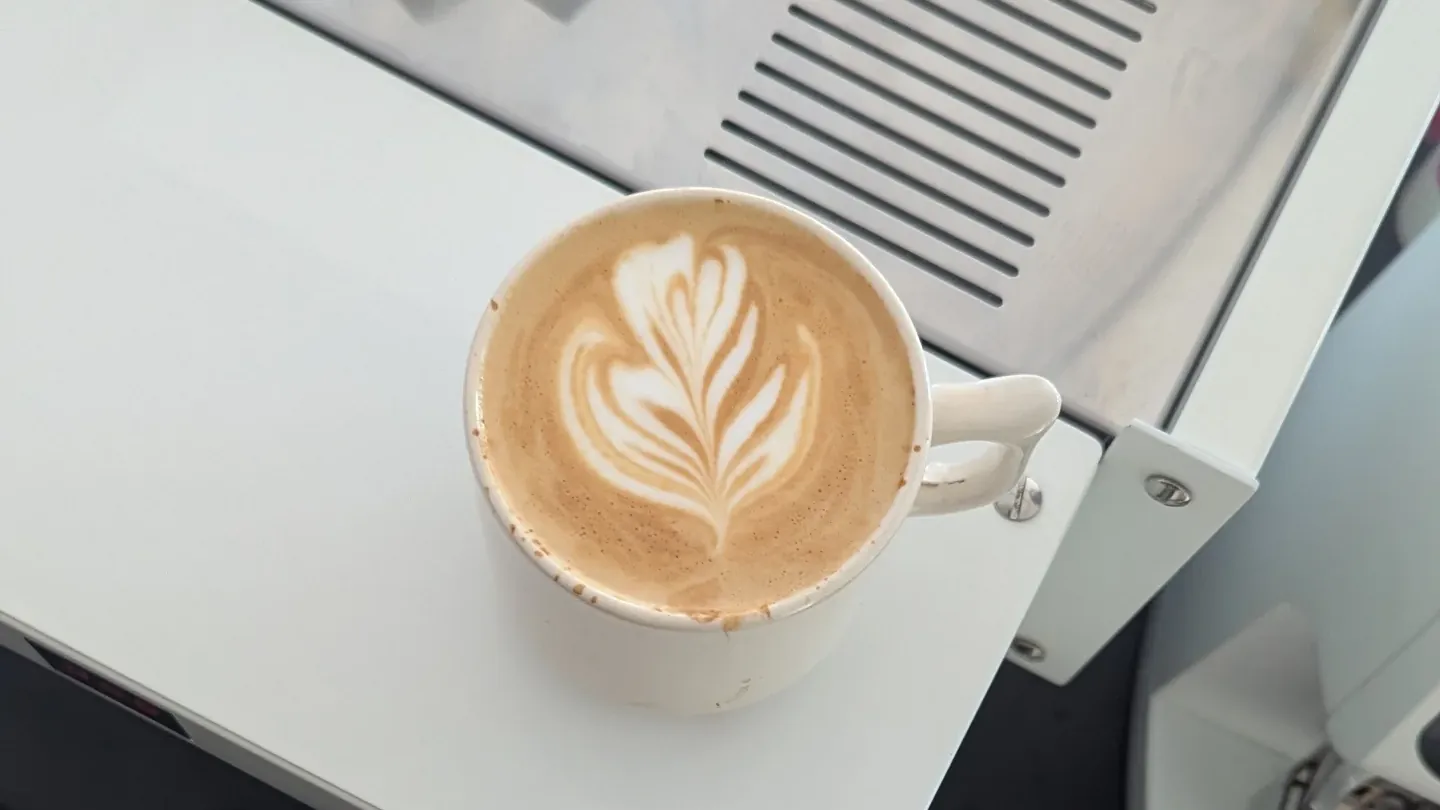
Choosing an espresso machine and grinder for a café in Pakistan
Groups, boilers, grinders, water and voltage: how to choose café espresso equipment in Pakistan that suits your volume, power supply and after-sales.
Read the guideHands-on training for your team in espresso, milk, latte art, hygiene and speed of service.
Service 02
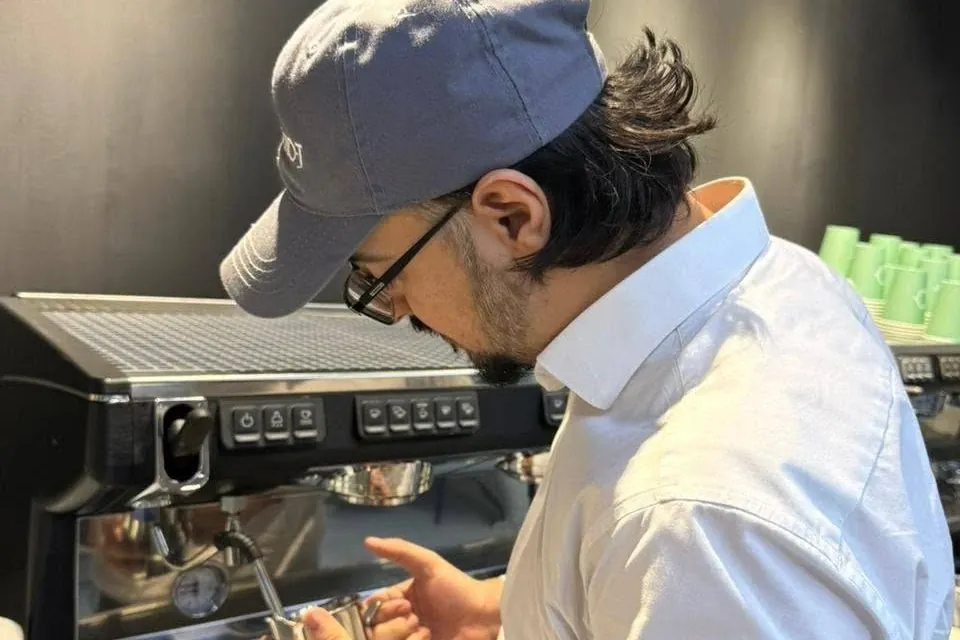
Barista training in Lahore is usually arranged a week before opening and then forgotten, which is why so many cafés pour good coffee in month one and inconsistent coffee by month four. This service trains your team on your own machine, grinder and menu, and leaves behind the standards and tools that let the next hire learn the same way.
Sessions are run on the bar by Ahmed Hussain, a Lahore-based coffee consultant who started young in cafés in Saudi Arabia and Pakistan, washing cups before running bars, and who has worked as a beverage expert at Monin Pakistan events. Training covers espresso, milk, latte art, hygiene and speed, and is built for the realities of cafés in Pakistan: new staff with little coffee background, high turnover and very busy evenings.
What you get
Hands-on practice in dose, yield, time and grind adjustment, so baristas can correct a shot themselves instead of guessing.
Steaming for each drink on your menu, milk temperature control and the core pours, practised until they hold up during service.
Station roles, drink sequencing, cleaning routines and the food safety habits inspectors look for behind a coffee bar.
A short manual with your recipes, dial-in targets, opening and closing checklists and cleaning schedule.
A practical assessment of every trainee against the same standard, with notes on what each person still needs to practise.
Coaching for your head barista or supervisor so they can train new joiners without starting from scratch.
How it runs
Ahmed watches the team work a normal shift, tastes the drinks and checks the equipment, recipes and cleaning routine.
Hands-on training in espresso, milk and latte art on your own equipment, in small groups so everyone gets time on the machine.
Timed rush drills that combine order taking, drink building and cleaning, as close as possible to a real Friday evening.
Each barista is checked against the written standard, and the head barista is coached to keep the routine going.
A return visit a few weeks later to taste the drinks again and fix habits that have slipped.
Staff turnover is the biggest training problem in cafés across Pakistan. Good baristas move to a newer café for a small raise, leave for jobs in the Gulf, or simply drift out of hospitality. If the knowledge sits in one person, it leaves with them.
That is why this training ends with a system as well as a skilled team. Recipes are written as numbers, not as feel. Opening, closing and cleaning steps are on a laminated card next to the machine. A supervisor is coached to run a short version of the training for each new hire, and to check them against the same standard before they work a busy shift alone. Owners who want a wider view of the market can read about barista training in Pakistan and what to expect from different options.
Coffee quality becomes manageable once it is measured. These are the checks used during assessment. The exact numbers depend on your beans and equipment, so treat the ranges as starting points rather than rules.
| Skill | What is checked | Typical starting standard |
|---|---|---|
| Espresso | Dose in, yield out, shot time | Weighed every time, within a gram of the recipe |
| Grinder | Dial-in at opening and after changes | Adjusted by taste and time, logged on the card |
| Milk | Texture and temperature | Glossy, no large bubbles, served comfortably hot, not scalded |
| Latte art | Consistent base pattern | Heart or tulip on the standard cup size |
| Speed | Drinks per barista at peak | Steady output without skipping weighing or cleaning |
| Cleaning | Wand purge, group flush, backflush | Done on schedule and signed off on the log |
The recipe itself comes from the menu. If the drinks list is still changing, the menu development and costing service fixes recipes first so the training has something stable to teach.
Lahore summers push bar fridges and milk to their limit. Training covers the habits that keep drinks safe and keep the café ready for a Punjab Food Authority visit:
None of this is advanced, but it is often skipped when the team is under pressure. Practising it during rush drills makes it part of the job rather than an extra task.
If your team is still learning the basics, Ahmed’s free 30-day coffee course on Instagram at @ahmedbrews is a good warm-up before the hands-on sessions. To arrange training on your own bar, book a consultation.
FAQ
Still unsure? Ask Ahmed on WhatsApp.
It depends on the team’s starting level and the size of the menu. A new team usually needs several days of hands-on sessions before opening, followed by practice during soft launch. An experienced team that needs a refresh on standards may need much less.
Yes, and many café teams in Pakistan start that way. The training begins with the basics of grinding, dosing and steaming and builds up to full service drills. People with hospitality experience but no coffee background often learn quickly.
It is done on your own bar wherever possible. Baristas learn fastest on the machine, grinder, cups and layout they will use every day, and recipes can be dialled in for your beans at the same time.
This service is built for café teams. Individuals who want to learn can start with Ahmed’s free 30-day coffee course on Instagram at @ahmedbrews, and can use the contact page to ask about other options.
Keep exploring
03
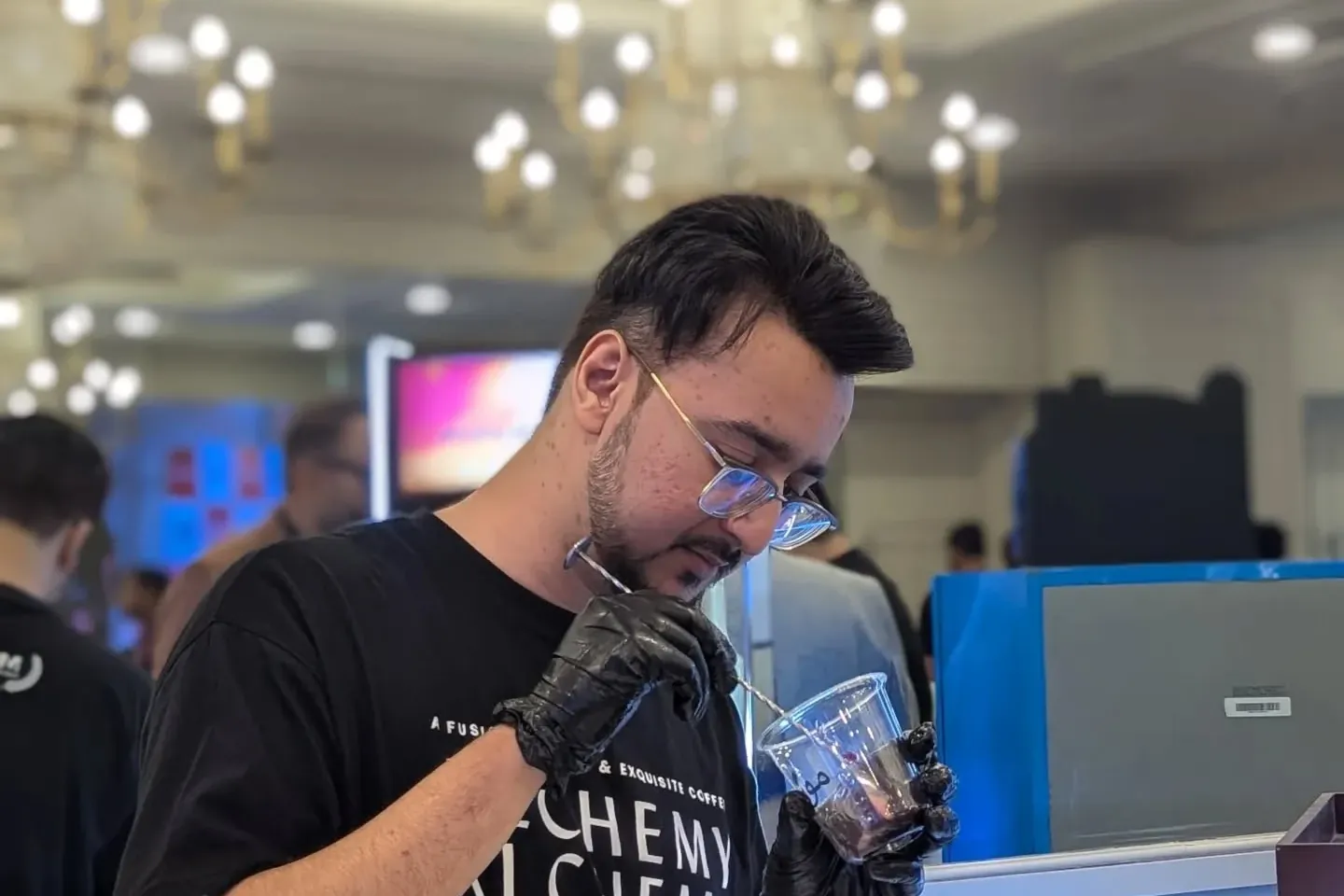
Signature drinks and a menu priced for margin, with recipes your team can repeat on a busy evening.
Learn more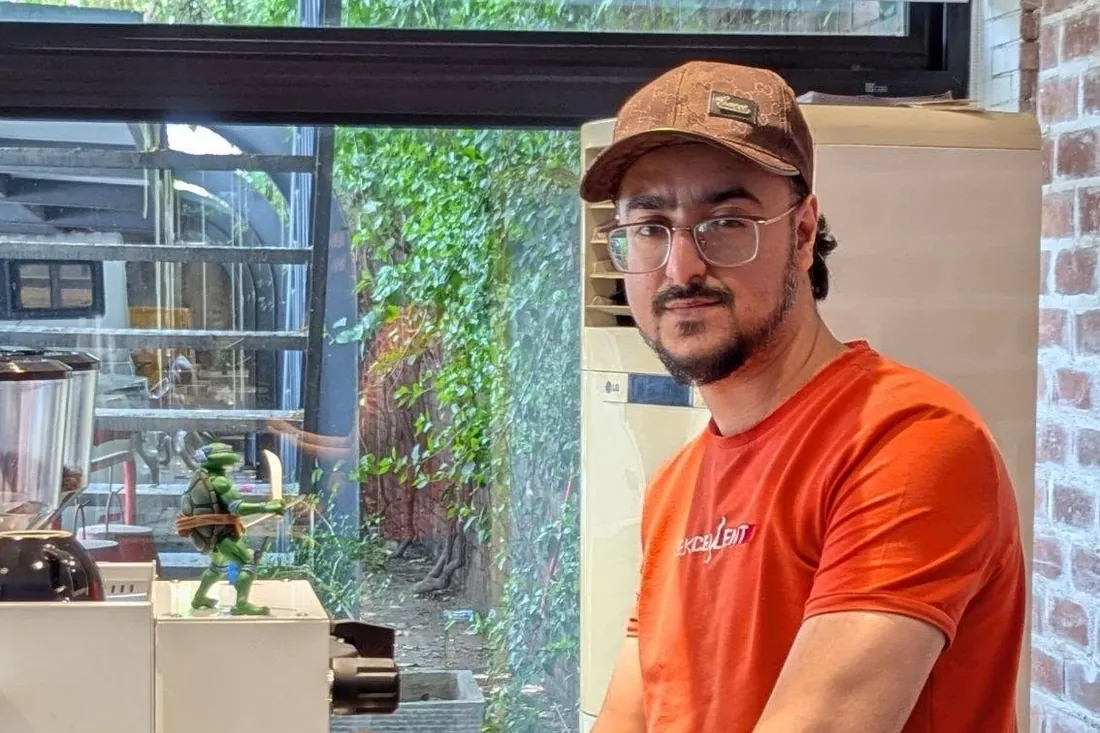
04
The right espresso machine, grinders, water filtration and brewers for your volume and budget.
Learn more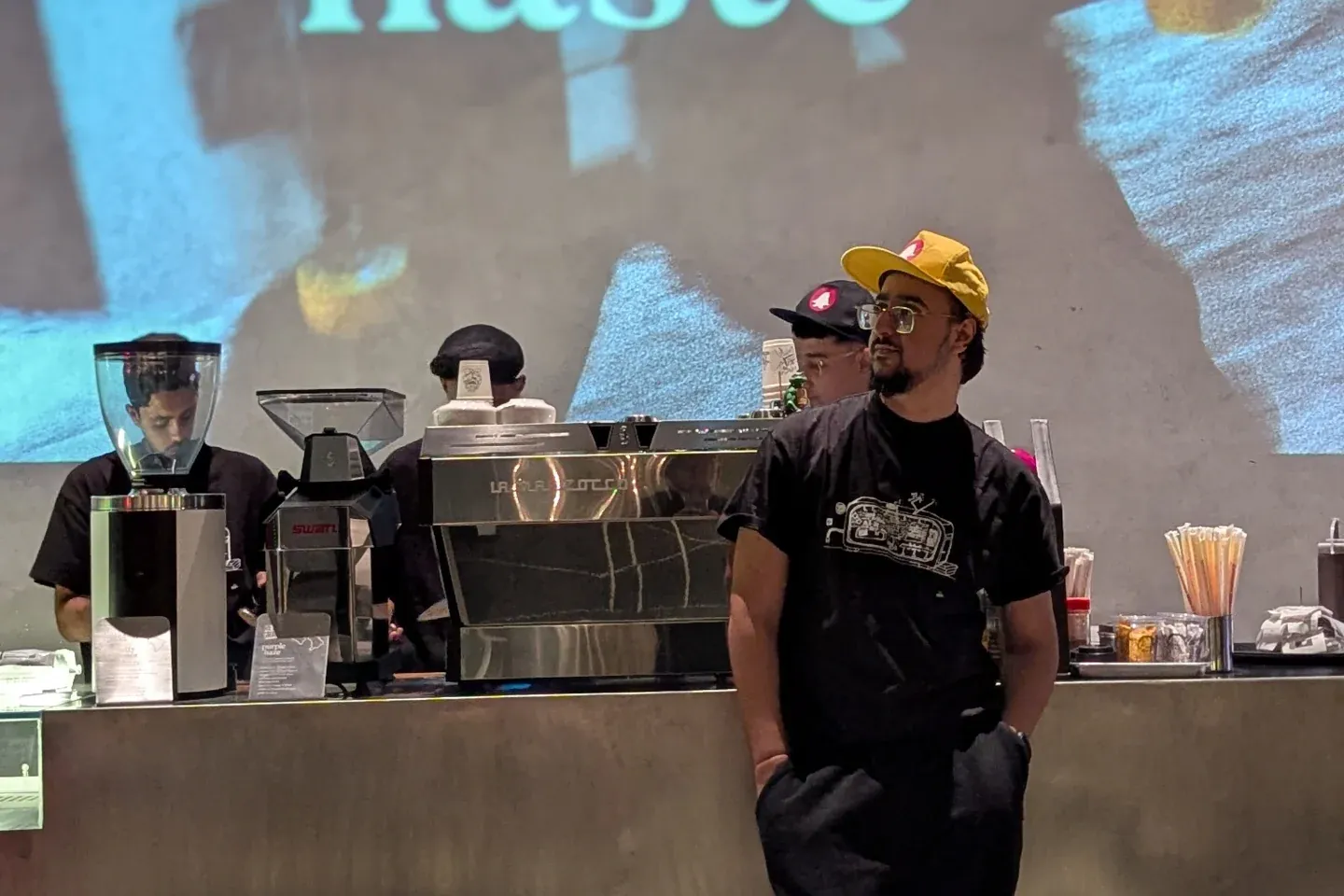
05
A bar layout that lets two baristas serve a queue without crossing paths, inside a room guests remember.
Learn more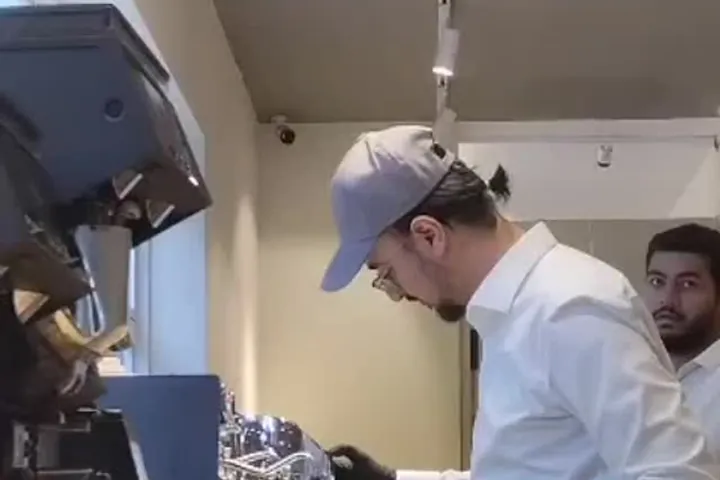
Groups, boilers, grinders, water and voltage: how to choose café espresso equipment in Pakistan that suits your volume, power supply and after-sales.
Read the guide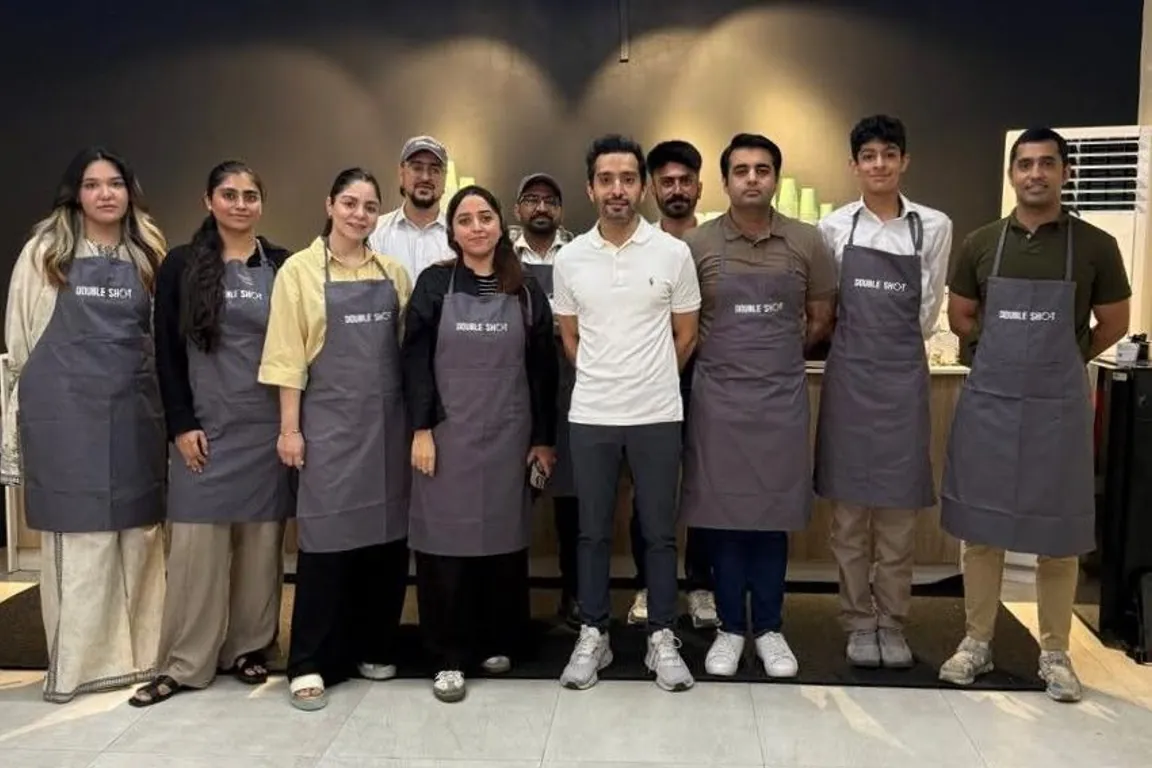
Espresso, milk, latte art, workflow and hygiene: the barista training plan a new café in Pakistan needs, and how to keep standards after opening day.
Read the guideCoffee consultant by city
Ready when you are
Tell Ahmed where your plan stands today. You get a clear next step within one working day.