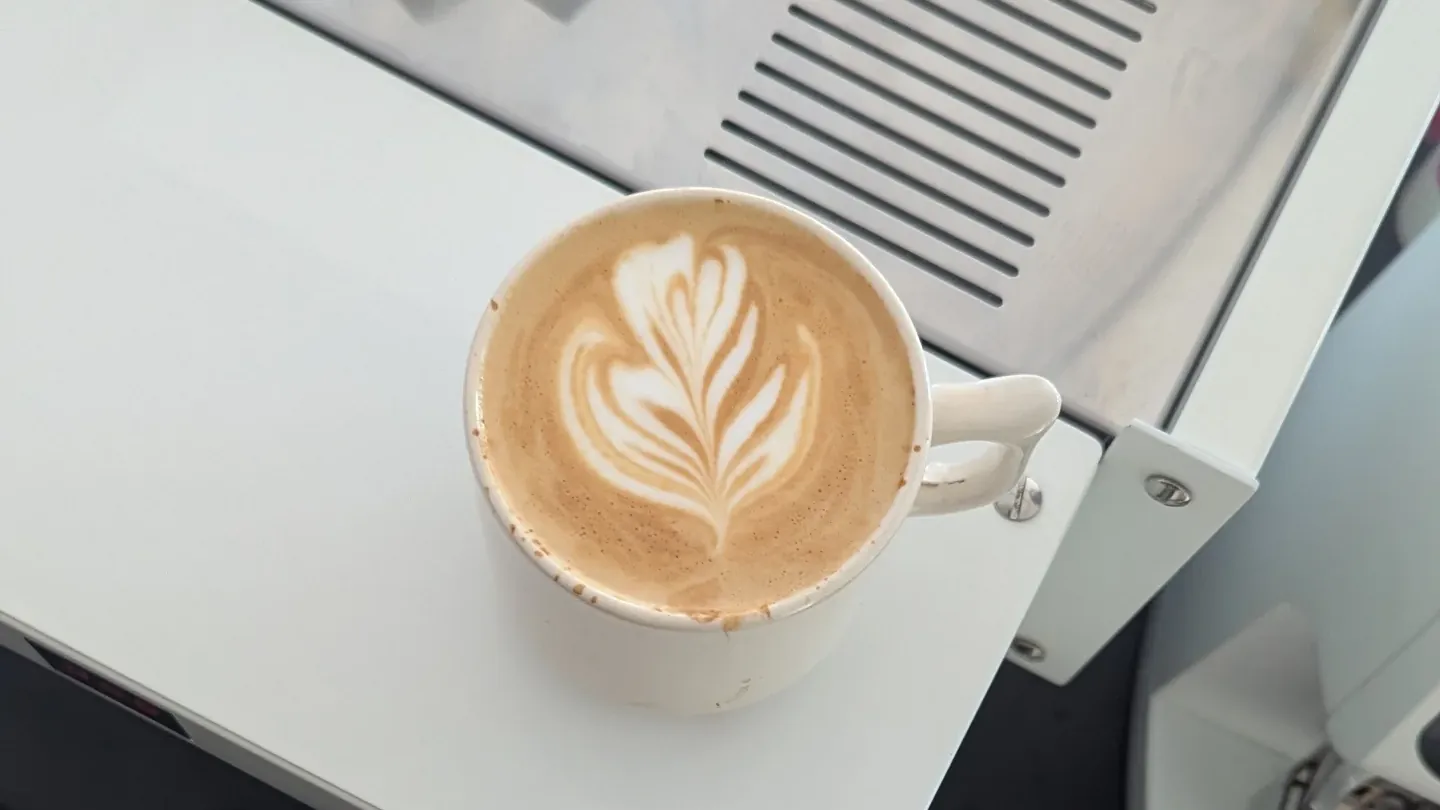
Choosing an espresso machine and grinder for a café in Pakistan
Groups, boilers, grinders, water and voltage: how to choose café espresso equipment in Pakistan that suits your volume, power supply and after-sales.
Read the guide By Ahmed Hussain
Finding good specialty coffee beans in Pakistan is easier than it used to be, but choosing the right supply for a café is still one of the decisions owners get wrong most often. The bean drives the taste of every cup, a large share of your cost per drink, and how exposed you are when the rupee moves against the dollar.
This article compares the three main routes, buying from a local roaster, importing roasted coffee and importing green coffee to roast yourself, and then covers freshness, storage in Pakistani heat, how to judge a roaster and how to keep supply stable. Prices mentioned are indicative planning ranges for 2026 and vary by roaster, origin and exchange rate, so confirm with current quotes.
"Specialty" is used loosely on menus. In the coffee trade it usually refers to coffee that scores 80 points or more on the Specialty Coffee Association's cupping scale, graded by trained tasters for flavour, defects and quality. For a café owner, the practical signs are simpler:
If a supplier cannot tell you where the coffee comes from or when it was roasted, it is not specialty in any useful sense, whatever the label says.
Each route suits a different stage and scale of business.
| Route | Main advantages | Main drawbacks | Best suited to |
|---|---|---|---|
| Local roaster | Fresh supply, rupee pricing, support with recipes, small minimum orders | Quality and consistency vary between roasters, limited origin choice | Most new cafés and small chains |
| Imported roasted coffee | Access to well-known international roasters and origins | Weeks in transit, heat exposure, dollar pricing, customs clearance | Retail bags, guest coffees, premium positioning |
| Imported green, roasted in-house | Full control, freshest coffee, potential cost savings at scale | Roaster investment, ventilation, skills, import paperwork | Established cafés, chains and wholesale businesses |
Many successful cafés combine routes: a local roaster for the house espresso, with an imported or guest single origin rotating on filter.
For most new cafés in Lahore, Islamabad or Karachi, a reliable local roaster is the right starting point. You get coffee roasted days rather than weeks ago, you pay in rupees, and you can usually visit the roastery and taste with the roaster.
Questions to ask before you commit:
As a planning range in 2026, locally roasted specialty coffee for café use might cost roughly PKR 6,000 to 14,000 per kg, depending on origin, quality and volume. Get written quotes from at least two roasters and taste both blind before deciding.
A blind tasting does not need to be formal. Ask each roaster for a sample of the coffee they would supply, label the bags with letters rather than names, and have your team make the same three drinks with each one on your own machine. Note which coffee people prefer in milk, which holds up iced, and which is easier to dial in. Price matters, but a slightly cheaper coffee that the team struggles to make taste good every day is not a saving.
Visit the roastery if you can. A clean, organised roastery with roast logs, a cupping routine and properly stored green coffee is a good sign that the batch you receive in six months will taste like the sample you approve today.
Imported roasted coffee gives access to famous international roasters and origins that local roasters may not carry. The trade-off is freshness and cost. Coffee shipped by sea can take weeks, then wait in customs and warehouses, sometimes in summer heat. By the time it reaches your bar it may be past its best for espresso. Air freight is faster but expensive.
Pricing is in dollars or euros, with freight, duties and taxes on top, so your cost moves with the exchange rate. Imported roasted coffee often works better as a retail product or a rotating guest coffee than as the house espresso that must be identical every day.
If you do import, ask the supplier for the roast date on each shipment and plan quantities you can sell well within the coffee's best window. Check how the stock will be stored between the port and your café, and avoid summer shipments sitting in an un-cooled warehouse. Small, more frequent shipments cost more per kg in freight but usually waste less coffee than one large order that goes stale on the shelf.
Green, unroasted coffee keeps far better than roasted coffee when stored properly, often for months. Roasting in-house gives you full control over profile and freshness, and at sufficient volume it can lower your cost per cup.
It is also a separate business. You will need:
Import rules, duty rates and documentation change, so confirm the current position with a licensed clearing agent before you place an order. Most green coffee arrives through Karachi, which is one reason roasting businesses often coordinate closely with agents there; the Karachi coffee consultant page covers the city in more detail. If you are considering this route, the coffee roastery setup service covers equipment, layout and process.
Fresh does not mean "roasted this morning". Coffee releases carbon dioxide for days after roasting, and espresso brewed too early can be unstable and sharp. Many roasters suggest resting espresso roasts for roughly one to two weeks and using them within a few weeks after that, but follow your roaster's guidance for each coffee.
Heat speeds up staling. A storeroom with no air conditioning in a Lahore or Multan June can be much hotter than the café floor, and coffee left there loses aroma quickly. Practical rules:
Most drinks sold in Pakistani cafés contain milk, and many contain syrup or condensed milk. The house espresso must taste good through 200 ml of milk and in an iced Spanish latte, not just as a straight shot. Coffees with chocolate, caramel and nutty notes and a medium roast usually work best here, while brighter, lighter single origins shine as filter or pour-over.
Taste candidate coffees the way customers will drink them. Make a latte, an iced latte and an espresso with each sample, side by side, with the team. Do not forget decaf. A small but steady group of customers, especially in the evening, will ask for it, and a good decaf on a separate grinder keeps them ordering coffee rather than switching to juice. The espresso machine and grinder guide explains why equipment also affects how lighter roasts behave.
Beans are often the largest single ingredient cost in an espresso drink, so a price change goes straight to your margin. Even local roasters buy green coffee in dollars, so a weaker rupee eventually reaches your invoice.
Ways to manage that:
Ahmed Hussain is a Lahore-based coffee consultant with hands-on café experience in Saudi Arabia and Pakistan, and he launched Retrograde Coffee in Lahore. He helps café owners taste, compare and choose coffee that suits their menu and budget. See the specialty coffee sourcing service, or book a consultation to review your options.
Written by
Coffee consultant in Lahore. Years behind café bars in Saudi Arabia and Pakistan; launched Retrograde Coffee in Lahore; beverage expert at Monin Pakistan events.
Want Ahmed to look at your plan? A short message is enough to start.
FAQ
Still unsure? Ask Ahmed on WhatsApp.
Most cafés buy from local specialty roasters, who offer fresh coffee, rupee pricing and support with recipes. Some also stock imported roasted coffee as a guest or retail product. Taste samples from at least two roasters blind before choosing.
As a planning range in 2026, locally roasted specialty coffee for café use might cost roughly PKR 6,000 to 14,000 per kg, depending on origin, quality and volume. Imported roasted coffee usually costs more once freight and duties are added. Prices move with the dollar rate, so get current quotes.
For most new cafés, buying from a good local roaster is simpler and less risky. Roasting in-house gives more control and can lower costs at higher volume, but needs a roaster, ventilation, skills and an import setup for green coffee. It works best for established cafés and chains.
Many roasters suggest resting espresso roasts for around one to two weeks after roasting and using them within a few weeks after that. Heat shortens that window, so store beans sealed, cool and away from sunlight. Follow your roaster’s guidance for each coffee.
Yes, but it involves customs duties, other levies, documentation and possibly plant quarantine requirements, which change over time. Most cafés work through an established importer or a licensed clearing agent. Confirm the current rules before placing an order.
Keep exploring
04
The right espresso machine, grinders, water filtration and brewers for your volume and budget.
Learn more
06
Planning a small-batch roastery: roaster choice, ventilation, roast profiles and quality control.
Learn more
07
Choosing beans and roasters that suit your menu, with cupping, blend design and supply continuity.
Learn more
Groups, boilers, grinders, water and voltage: how to choose café espresso equipment in Pakistan that suits your volume, power supply and after-sales.
Read the guide
Work out cost per cup in rupees, set prices that protect your margin and design a café menu that sells the drinks you want to sell.
Read the guideCoffee consultant by city
Ready when you are
Tell Ahmed where your plan stands today. You get a clear next step within one working day.