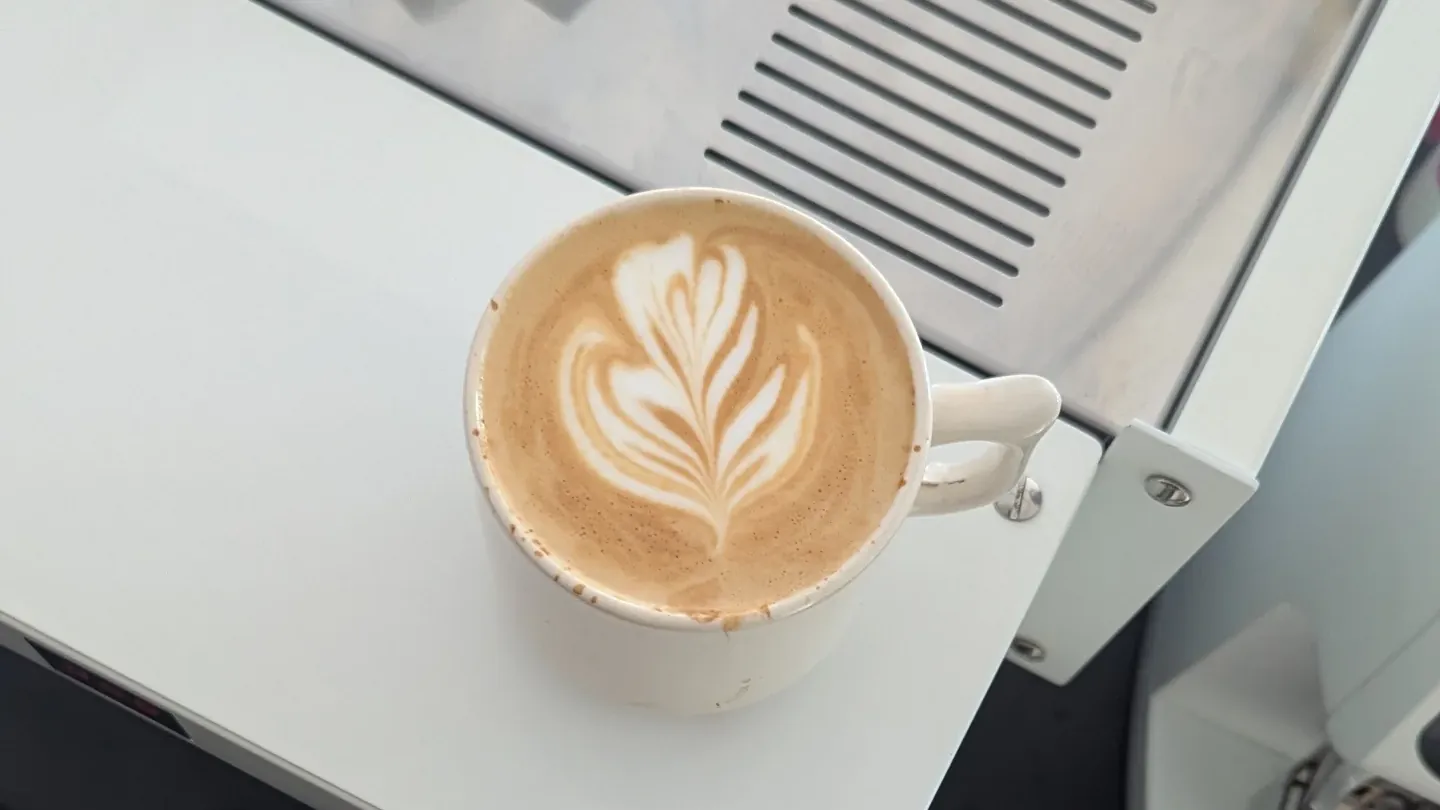
Coffee shop business plan in Pakistan: costs, margins and break-even
How to budget a café in Pakistan: start-up costs, cost per cup, rent-to-sales ratio and the break-even maths that decides whether to sign the lease.
Read the guide By Ahmed Hussain
Getting café menu pricing in Pakistan right is one of the fastest ways to improve profit without selling a single extra cup. Most owners set prices by looking at the café across the road, add a little or take a little off, and never look again until a supplier sends a new rate card.
Menu engineering is a more deliberate approach: cost every recipe, measure what each drink actually earns in rupees, see which items sell and which do not, then design the menu so customers naturally choose the drinks that work for both of you. The figures below are illustrative planning numbers for 2026, not market prices. Replace them with your own recipe weights and current supplier quotes.
Matching a competitor's price feels safe, but it assumes their costs, rent, recipe and volume are the same as yours. They rarely are. A café on MM Alam Road paying premium rent cannot price like a counter in Johar Town, and a café using imported beans has a different cost per shot from one buying from a local roaster.
Competitor prices are still useful as a ceiling and a reference point. They tell you what customers in your area are used to paying. But your floor has to come from your own costs. Price below that and every busy day loses money. Price well above the local reference without a clear reason, such as a better product, a better space or a signature drink nobody else makes, and customers notice.
Start with a written recipe for each drink: grams of coffee, millilitres of milk, pumps of syrup, grams of sauce, cup size, lid and straw. Then multiply each ingredient by its current cost. This table shows illustrative figures for a café using a locally roasted specialty bean; your numbers will differ.
| Drink | Indicative direct cost (PKR) | Menu price before tax (PKR) | Cost % | Contribution (PKR) |
|---|---|---|---|---|
| Double espresso | 160 | 500 | 32% | 340 |
| Americano | 165 | 650 | 25% | 485 |
| Latte, dine-in | 230 | 850 | 27% | 620 |
| Iced Spanish latte, takeaway | 330 | 950 | 35% | 620 |
| Iced caramel latte | 360 | 1,000 | 36% | 640 |
| Matcha latte | 420 | 1,050 | 40% | 630 |
| Karak chai | 90 | 400 | 23% | 310 |
Include packaging for takeaway and delivery, and a small wastage allowance for spilled shots, remakes and milk thrown away at closing. Many cafés find their real cost is several percentage points higher than the recipe card suggests until they add these in.
A cost sheet only works if the bar follows it. If the recipe says 18 g of coffee and baristas habitually dose 21 g "for a stronger cup", your espresso cost is quietly a sixth higher than planned. The same goes for milk: free-pouring from a large jug and pouring the leftover down the sink can add more to cost than any supplier increase. Put a scale at every grinder, mark milk jugs for each drink size, and spot-check a few drinks each week against the recipe. One person, usually the manager or head barista, should own the cost sheet and update it whenever a supplier invoice changes.
Owners often chase a target cost percentage for every item. The problem is that customers do not pay your rent in percentages; they pay it in rupees.
Look at the table again. The double espresso has a higher cost percentage than the latte, yet the latte earns almost twice as much contribution per cup. The matcha latte has the highest cost percentage on the list, but it still contributes more rupees than the Americano. Karak chai looks excellent at 23 percent cost, but it only contributes PKR 310.
That does not mean chai should come off the menu. It may bring in customers who also buy food, or keep a group of friends sitting for another round. It means you need to look at two measures together: how much each item earns in rupees and how often it sells.
Pull three months of sales from your POS, then sort each drink by contribution and by number sold. Items above the average on each measure fall into four groups:
| Group | Sells | Earns per item | What to do |
|---|---|---|---|
| Stars | Above average | Above average | Protect the recipe, give it prime menu position, train staff to recommend it |
| Workhorses | Above average | Below average | Review the recipe and portion, consider a small price rise or a premium version |
| Puzzles | Below average | Above average | Move it up the menu, rename or redescribe it, have baristas suggest it |
| Weak items | Below average | Below average | Remove or replace, unless it serves a clear purpose |
Run this exercise every quarter. Tastes shift, especially between summer and winter, and a drink that was a star in July may be a weak item in January.
How you structure the menu changes what people buy as much as the prices themselves.
If you offer two sizes, the larger one usually costs you only a little more in milk and a bigger cup, so the price step can be smaller than the size step and still raise your contribution. Keep the number of sizes low; each one adds a cup, a lid and a recipe to train.
Extra shots, oat or almond milk, flavoured syrups and cold foam are easy margin when priced properly. Cost a syrup by the pump, not by the bottle, and include the cost of the pump itself and any waste at the bottom of the bottle. Ahmed Hussain has worked as a beverage expert at Monin Pakistan events, and flavoured signature drinks built carefully around syrups and sauces are often among a café's better earners, provided they are costed and measured.
A premium item placed near the top of a section, such as a signature drink or a single-origin pour-over, makes the next price down look reasonable. Customers who would not order the most expensive item still use it as a reference.
Seasons change the economics of a Pakistani café more than most pricing guides allow for.
A seasonal menu card lets you introduce higher-margin limited drinks without reprinting the main menu. It also gives regulars a reason to come back and try something new, and it lets you test a drink for a few weeks before deciding whether it earns a permanent place. Cost seasonal drinks as carefully as the core menu; a mango or strawberry special made with fresh fruit in season can look profitable in June and lose money in August when fruit prices rise.
Watch your price points across sizes and seasons together. If the iced version of a drink sells for the same price as the hot one but costs noticeably more, the most popular summer drink on your menu may be one of your weakest earners.
Be clear and consistent about whether menu prices include sales tax. In Punjab, restaurant services fall under the Punjab Revenue Authority, and rates, card payment concessions and display requirements have changed over time. Confirm the current rules with the PRA or a tax adviser, then design your price points so the final amount the customer pays is a clean number.
Delivery platforms charge commission on each order, and packaging for delivery costs more. Many cafés run a separate delivery price list rather than absorbing the commission. Check each platform's current terms and recost your drinks for delivery before listing them. Not every drink travels well either. Hot milk drinks lose texture and iced drinks dilute on a long ride across Lahore traffic, so a shorter delivery menu built around drinks that arrive in good shape often earns more and draws fewer complaints than listing everything.
Coffee, milk, syrups and imported items in Pakistan move with the dollar rate and with local inflation. A menu priced in January can lose a meaningful slice of its margin by June without a single price changing. Use a simple routine:
Small, regular adjustments are easier for regulars to accept than a sudden rise after a year of holding prices. Your beans are usually the largest single cost per cup; the guide to sourcing specialty coffee beans in Pakistan covers how to keep that cost stable. For how menu prices feed into rent and break-even, see the coffee shop business plan guide.
A well-built menu combines recipes, costing, design and staff training. Ahmed works with café owners on all four, drawing on years of hands-on bar work in Saudi Arabia and Pakistan. See the café menu development service, pair it with barista training so every recipe is made as costed, or book a consultation to review your current menu.
Written by
Coffee consultant in Lahore. Years behind café bars in Saudi Arabia and Pakistan; launched Retrograde Coffee in Lahore; beverage expert at Monin Pakistan events.
Want Ahmed to look at your plan? A short message is enough to start.
FAQ
Still unsure? Ask Ahmed on WhatsApp.
Start by costing each recipe to the gram, including cups, lids and a wastage allowance. Use competitor prices in your area as a reference ceiling, and your own costs and rent as the floor. Then check each drink’s contribution in rupees and how often it sells.
Espresso-based drinks often run at a lower cost percentage than food, but there is no single correct figure. A drink with a higher cost percentage can still earn more rupees per cup than one with a lower percentage. Look at contribution and sales volume together.
Café services in Punjab fall under the Punjab Revenue Authority, and the rules on rates, card payment concessions and price display have changed over time. Confirm the current requirements with the PRA or a tax adviser. Whatever you decide, be consistent and make the final amount clear to customers.
Review costs at least every quarter, and whenever a key supplier changes a price or the dollar rate moves sharply. Small, regular adjustments are usually easier for customers to accept than a large rise after a long freeze.
Many cafés use a separate delivery price list because platform commissions and delivery packaging add cost. Check each platform’s current terms and recost your drinks for delivery before listing them.
Keep exploring

02
Hands-on training for your team in espresso, milk, latte art, hygiene and speed of service.
Learn more
03
Signature drinks and a menu priced for margin, with recipes your team can repeat on a busy evening.
Learn more
08
Investment, running costs, cost per cup and break-even, written so you can decide before you sign a lease.
Learn more
How to budget a café in Pakistan: start-up costs, cost per cup, rent-to-sales ratio and the break-even maths that decides whether to sign the lease.
Read the guide
Local roaster or import? How cafés in Pakistan choose specialty beans, read a roast date, run a cupping and keep supply fresh and consistent.
Read the guideCoffee consultant by city
Ready when you are
Tell Ahmed where your plan stands today. You get a clear next step within one working day.