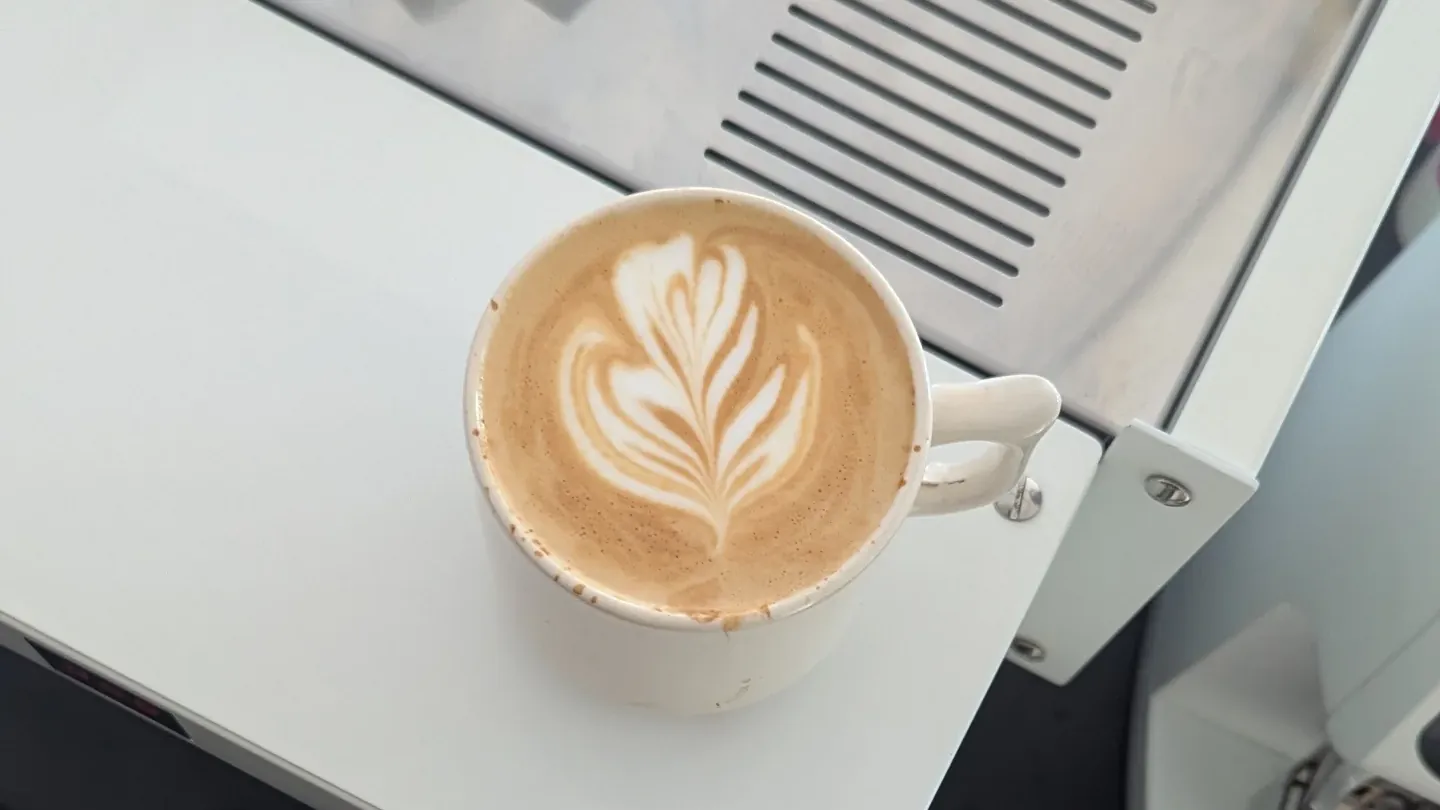
Coffee shop business plan in Pakistan: costs, margins and break-even
How to budget a café in Pakistan: start-up costs, cost per cup, rent-to-sales ratio and the break-even maths that decides whether to sign the lease.
Read the guidePlanning a small-batch roastery: roaster choice, ventilation, roast profiles and quality control.
Service 06
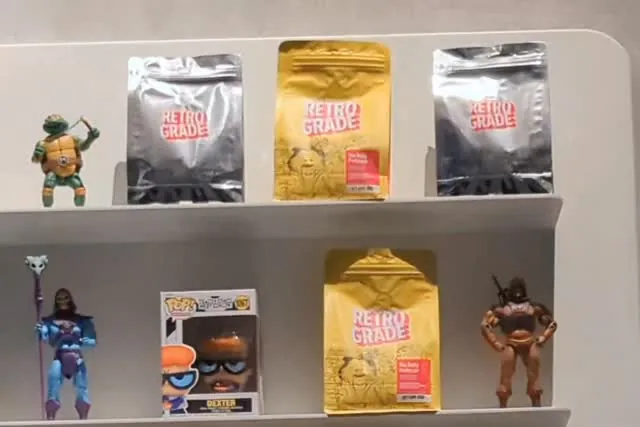
A coffee roastery setup in Pakistan is a bigger step than most café owners expect. Coffee is not grown commercially in the country, so every bean arrives green from abroad, the roaster itself is almost always imported, and the site has to cope with smoke, heat and humid monsoon months. Done well, roasting gives you control over flavour and freshness. Done in a hurry, it gives you an expensive machine and inconsistent coffee.
This service helps you plan a small-batch roastery properly, whether it supplies your own café in Lahore or wholesale customers across Pakistan. Ahmed Hussain, a Lahore-based coffee consultant with years of hands-on café work in Saudi Arabia and Pakistan, advises on roaster size, site requirements, roast profiling, cupping and packaging. He does not sell roasters or green coffee. He helps you decide what you need and checks the setup before you start roasting for sale.
What you get
A recommendation on batch size, fuel type and features based on your realistic weekly volume and growth plans.
A list of ventilation, exhaust, power or gas, floor space, fire safety and storage requirements for your chosen site.
Development of starting profiles for your espresso and filter coffees, with a log format to record every batch.
A simple weekly cupping and quality control routine so roast changes are tasted and recorded, not guessed.
Advice on bags with one-way valves, roast-date labelling, resting time and stock rotation for cafés and retail.
How to store green beans so they survive Pakistani summers and the monsoon without losing quality.
How it runs
Your expected weekly volume, customers and price points are reviewed to confirm that a roastery makes sense now.
Roaster options are compared and the site is checked for ventilation, power or gas, space and storage.
Exhaust, utilities and safety are checked when the roaster is installed, before the first production roast.
Starting profiles are developed with your green coffees and the team learns to cup, log and adjust.
Packaging, labelling and the freshness routine are set up before roasted coffee goes to customers.
The most common mistake is buying a roaster for the business you hope to have in five years. A machine that is too large for current volume roasts small batches badly, wastes fuel and ties up capital. A machine that is too small means roasting all day. The table below gives a rough idea of how batch size relates to use. Output depends heavily on hours worked and roast length, so treat it as a starting point only.
| Batch size | Typical use | Notes |
|---|---|---|
| Under 1 kg | Sample roasting and product development | Useful alongside a larger roaster, too small for supply |
| 1 to 3 kg | One or two cafés with modest volume | Easy to install, but limits wholesale growth |
| 5 to 6 kg | Several cafés or a small wholesale business | A common first production size |
| 12 to 15 kg | Established wholesale and retail | Needs serious ventilation, space and steady demand |
Fuel is a local question. Natural gas pressure can drop in winter in parts of Punjab, so gas roasters need a reliable supply or an LPG arrangement. Electric roasters avoid that, but a power cut mid-roast ruins the batch, and a roaster of any useful size draws heavy current. Whichever you choose, plan backup and a safe way to dump and cool a batch when supply fails.
Roasting produces smoke, heat and chaff. The exhaust has to be ducted outside, away from neighbours and air intakes, and cleaned regularly because chaff and oils build up and can catch fire. In mixed residential areas, smoke and smell complaints are a real risk, so many roasteries choose commercial or light industrial premises. In summer the roasting room can become very hot, which affects both the team and the green coffee stored nearby.
Green coffee needs a cool, dry, dark store, raised off the floor on pallets and kept away from walls. Humidity during the July and August monsoon is a particular concern, because damp beans lose quality and can develop mould. Sacks should be used in the order they arrived and checked on delivery.
Consistency comes from habits rather than equipment. A simple routine that small roasteries can keep up:
Roasting also changes your sourcing. Instead of choosing a roaster, you are choosing green coffee from importers, which is covered in the specialty bean sourcing service and the guide to specialty coffee beans in Pakistan. If you are not yet sure the numbers work, the feasibility and business plan service can test the roastery case before you order a machine.
FAQ
Still unsure? Ask Ahmed on WhatsApp.
The total depends on the roaster size and origin, the dollar rate at the time of import, the site works for ventilation and power, and the stock of green coffee you start with. Even a small roastery is a significant investment once installation and working capital are included. A feasibility review with indicative ranges, which vary by supplier and area, is the sensible first step.
Green coffee is imported, either through local importers and traders or directly from overseas exporters. Local importers make small quantities easier, while direct import usually means larger minimum orders and handling customs yourself. Samples should always be roasted and cupped before you commit to a lot.
A roastery is a food business, so it falls under the food authority of its province, such as the Punjab Food Authority in Punjab, and packaged coffee must be labelled correctly. Local zoning and environmental rules may also apply because of smoke. It is best to confirm current requirements with the relevant authorities for your site.
Only if you have the volume, the space and someone with time to roast and cup carefully every week. For many single cafés, buying from a good local roaster gives better and more consistent coffee for less effort. Roasting tends to make sense when you supply several outlets or want to build a coffee brand of your own.
Keep exploring
04
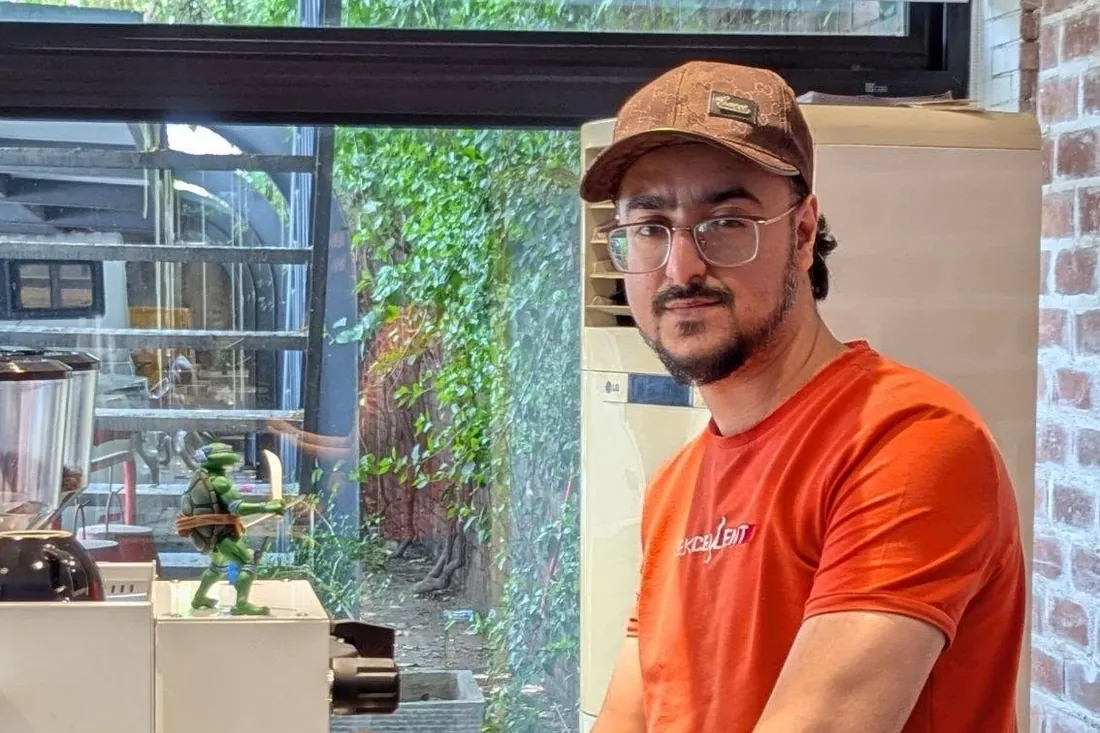
The right espresso machine, grinders, water filtration and brewers for your volume and budget.
Learn more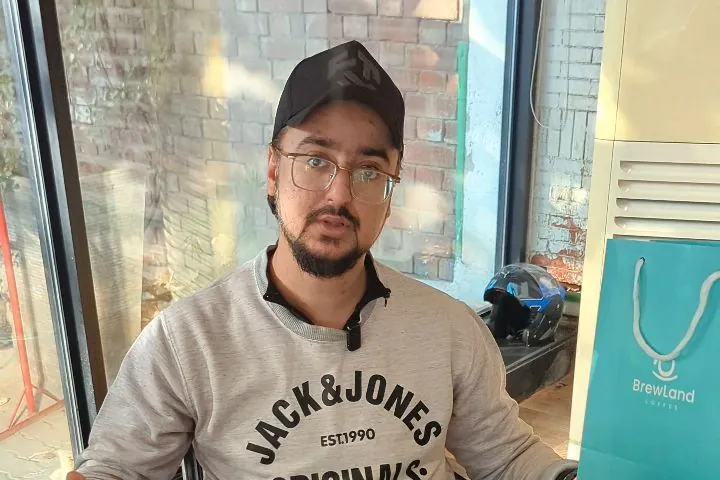
07
Choosing beans and roasters that suit your menu, with cupping, blend design and supply continuity.
Learn more
08
Investment, running costs, cost per cup and break-even, written so you can decide before you sign a lease.
Learn more
How to budget a café in Pakistan: start-up costs, cost per cup, rent-to-sales ratio and the break-even maths that decides whether to sign the lease.
Read the guide
Local roaster or import? How cafés in Pakistan choose specialty beans, read a roast date, run a cupping and keep supply fresh and consistent.
Read the guideCoffee consultant by city
Ready when you are
Tell Ahmed where your plan stands today. You get a clear next step within one working day.