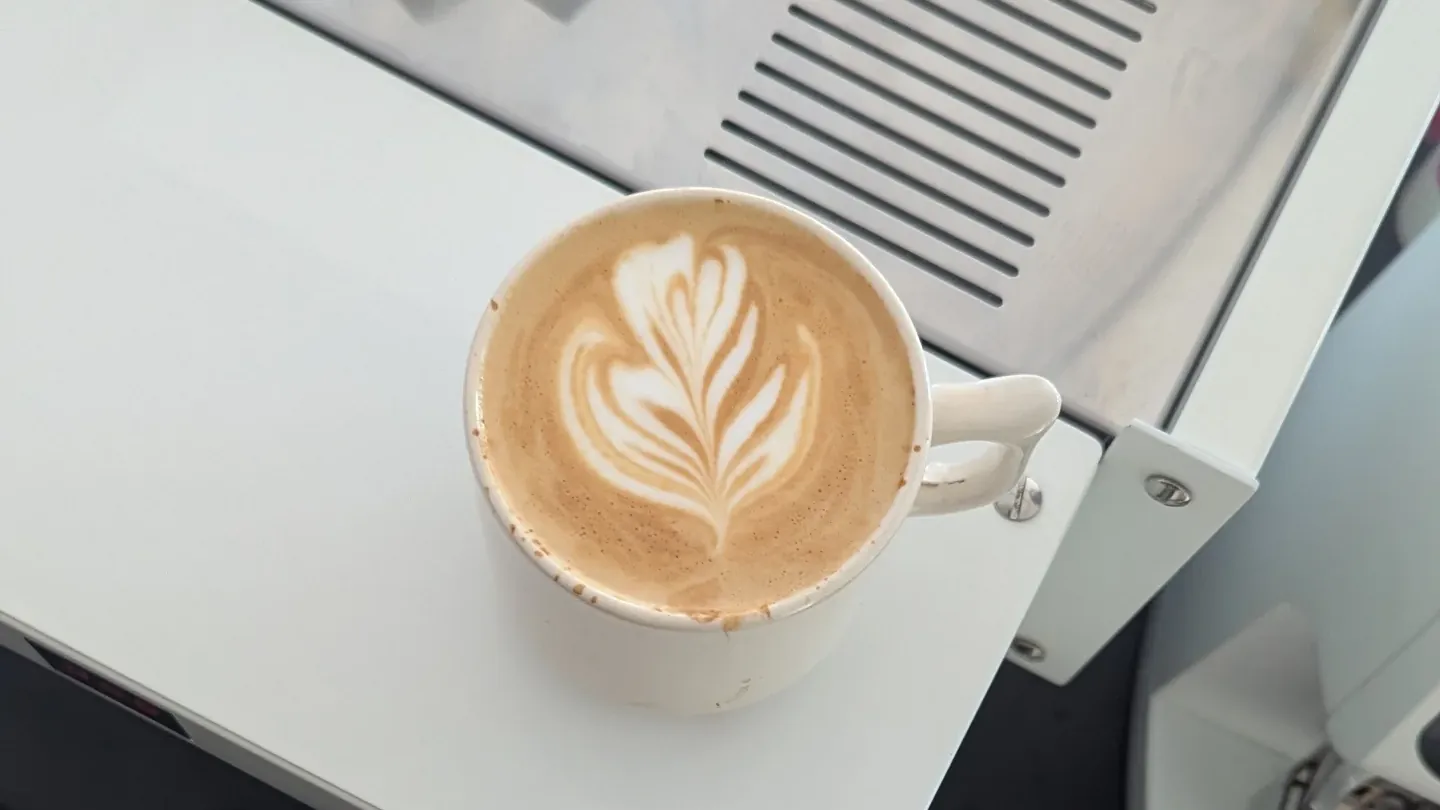
How to open a coffee shop in Lahore: a step-by-step guide
Location, licences, budget, equipment, team and launch: the full path to opening a coffee shop in Lahore, from a consultant who does it on the ground.
Read the guide By Ahmed Hussain
Buying an espresso machine for a café in Pakistan is less about which brand looks best on the counter and more about matching the machine to your volume, your power supply, your water and the service support available in your city. Get those four right and an ordinary machine will serve you well for years. Get them wrong and even a premium machine will spend weeks waiting for parts.
This guide covers how to size the machine, why the grinder deserves as much attention, how to protect equipment from load-shedding and hard water, and what the dollar rate and import costs mean for your budget. Prices quoted are rough planning ranges for 2026 and move with exchange rates and supplier stock, so always compare current written quotes.
The most useful number for choosing equipment is not daily sales but your busiest hour. A café that sells 200 drinks a day spread evenly needs a very different bar from one that sells 200 drinks, half of them between 9pm and midnight on weekends, which is a common pattern in Lahore and Karachi.
| Expected drinks in the busiest hour | A sensible starting setup |
|---|---|
| Up to around 40 | Compact or standard two-group machine, one on-demand grinder, ideally a second for decaf or a guest coffee |
| Around 40 to 100 | Full-size two-group with stable temperature control, two grinders, two baristas on bar |
| Above 100 | Three-group machine or two machines, two or three grinders, possibly batch brew for filter coffee |
Treat this as a rough guide, not a rule. Menu matters too: a bar selling mostly lattes and iced Spanish lattes puts heavy demand on steam power, while a bar with a big filter and cold brew programme leans less on the espresso machine.
Commercial espresso machines differ mainly in how they manage temperature and how much control they give the barista.
One large steam boiler heats water for brewing through a heat exchanger. These machines are robust, simpler to repair and have strong steam. Brew temperature is less precise and can drift during long rushes, but a trained barista can manage that. Many reliable workhorse machines in Pakistani cafés are of this type.
Each group has its own boiler, or brewing and steam are separated. Temperature is more stable shot to shot, which helps consistency, especially with lighter roasts of the kind covered in our guide to specialty coffee beans in Pakistan. They cost more, draw more power and need a more skilled technician when something goes wrong.
Semi-automatic machines leave the barista to start and stop each shot. Volumetric machines stop the shot at a programmed water volume. Some newer machines weigh the shot directly. Super-automatic machines grind, tamp and brew at the press of a button; they suit hotels, offices and high-turnover outlets without skilled baristas, but they rarely match a good barista on a traditional machine for quality.
Well-known brands in the commercial category include La Marzocco, Victoria Arduino, Nuova Simonelli, Rancilio and others. A brand name is less important than local support for that brand, which we cover below.
A premium machine paired with a cheap grinder will make worse coffee than a modest machine with an excellent grinder. The grinder decides how evenly the coffee is ground, and that decides how evenly it extracts.
What to look for:
Grinders such as Mahlkönig, Mazzer and Eureka are widely used in commercial settings internationally. Budget for two grinders from the start; buying the second one later usually costs more in lost quality than it saves.
Load-shedding is only part of the problem. Voltage fluctuation, poor earthing and surges when a generator kicks in do more quiet damage to heating elements, pumps and control boards.
Before you buy, check whether the machine needs a single-phase or three-phase supply and its full power rating. Then plan:
After an outage, let the machine recover to temperature before pulling shots, and make sure the boiler has refilled. Repeatedly switching a cold machine on and off through the day is hard on it.
Water is about 90 percent of every espresso, and scale is one of the main reasons commercial machines fail. Much of Pakistan's supply water and groundwater is hard, and some of it carries a high level of dissolved solids.
Test the water at your actual site with a hardness and TDS test before choosing a system. Common options are:
Never feed a machine pure RO water with no minerals; it can damage components and makes flat-tasting coffee. Set a filter change schedule and keep a log. Many machine warranties do not cover scale damage, so a filter you forgot to change can turn into a repair bill you pay in full.
Almost every commercial espresso machine and grinder in Pakistan is imported. That means the price in rupees follows the dollar and euro, and customs duties and taxes are added on top. A quote that is valid today may not be valid in six weeks if the rupee moves.
Practical steps:
Used and refurbished machines can be good value if a reputable technician has rebuilt them and you can see the work. Ask for the age, service history and what was replaced, and budget for gaskets, shower screens and possibly an element in the first year.
As a rough planning range in 2026, a commercial two-group machine might cost anywhere from about PKR 1 million for an entry model to PKR 7 million or more for a high-end multi-boiler model, and a commercial on-demand grinder roughly PKR 300,000 to 1.5 million. These figures vary widely by brand, importer and exchange rate; use them only to sense the scale and get current quotes.
The best machine is the one somebody near you can fix quickly. Before buying, ask:
Cafés in cities such as Multan, Faisalabad or Peshawar should weigh this heavily, because a technician who must travel from another city can mean days without espresso. See the locations page for notes on planning a café in your city.
Bar layout should be designed around the equipment, not the other way round; the café design and workflow service covers this. Once the machine is in, your team needs time on it, which is where barista training comes in.
Ahmed Hussain is a Lahore-based coffee consultant with years of hands-on café work in Saudi Arabia and Pakistan, from washing cups to running bars, and he helps owners choose equipment that suits their menu, volume and city. If you want independent advice before you spend, see the coffee equipment sourcing service or book a consultation.
Written by
Coffee consultant in Lahore. Years behind café bars in Saudi Arabia and Pakistan; launched Retrograde Coffee in Lahore; beverage expert at Monin Pakistan events.
Want Ahmed to look at your plan? A short message is enough to start.
FAQ
Still unsure? Ask Ahmed on WhatsApp.
There is no single best machine. The right choice depends on your busiest hour, your menu, your power supply and whether a trained technician for that brand works in your city. A reliable two-group machine with strong local support is usually a better buy than a premium model with no local service.
As a rough planning range in 2026, a commercial two-group machine might cost from around PKR 1 million for an entry model to PKR 7 million or more for a high-end multi-boiler model. Prices follow the dollar and euro and include import duties and taxes. Always compare current written quotes from authorised suppliers.
In most Pakistani cities, yes. Voltage fluctuation and surges during generator changeover can damage heating elements and control boards. A correctly rated stabiliser on a dedicated, properly earthed circuit is a small cost compared to a major repair.
Test the water at your site first. Where water is very hard or high in dissolved solids, reverse osmosis with remineralisation is common, while moderate hardness may suit a softener with cartridge filters. Avoid feeding the machine pure RO water with no minerals.
It can be, if a reputable technician has rebuilt it and you know its age and service history. Budget for replacement gaskets, screens and possibly an element in the first year. Check that parts for that model are still available locally.
Keep exploring
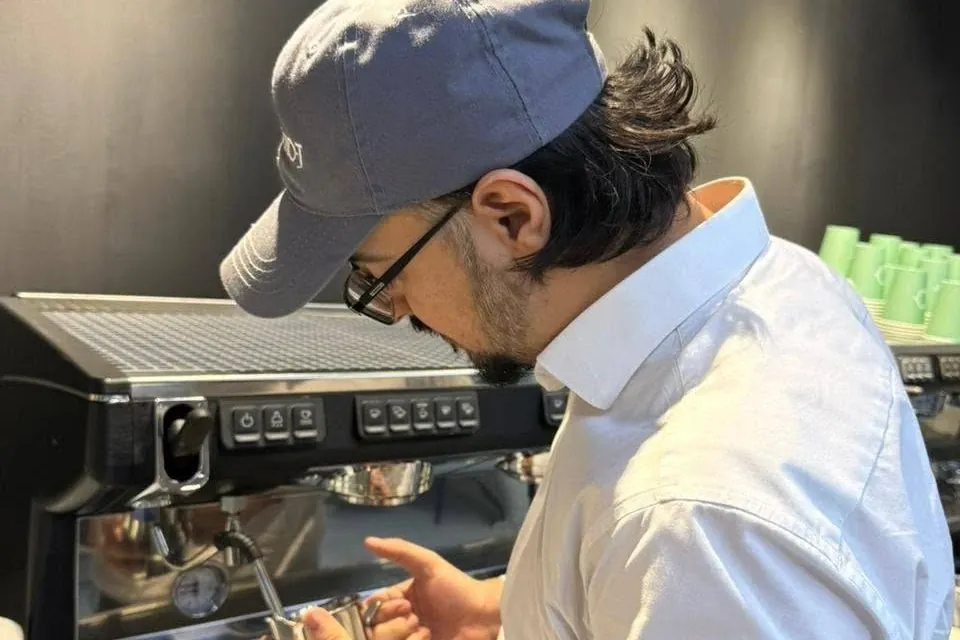
02
Hands-on training for your team in espresso, milk, latte art, hygiene and speed of service.
Learn more
04
The right espresso machine, grinders, water filtration and brewers for your volume and budget.
Learn more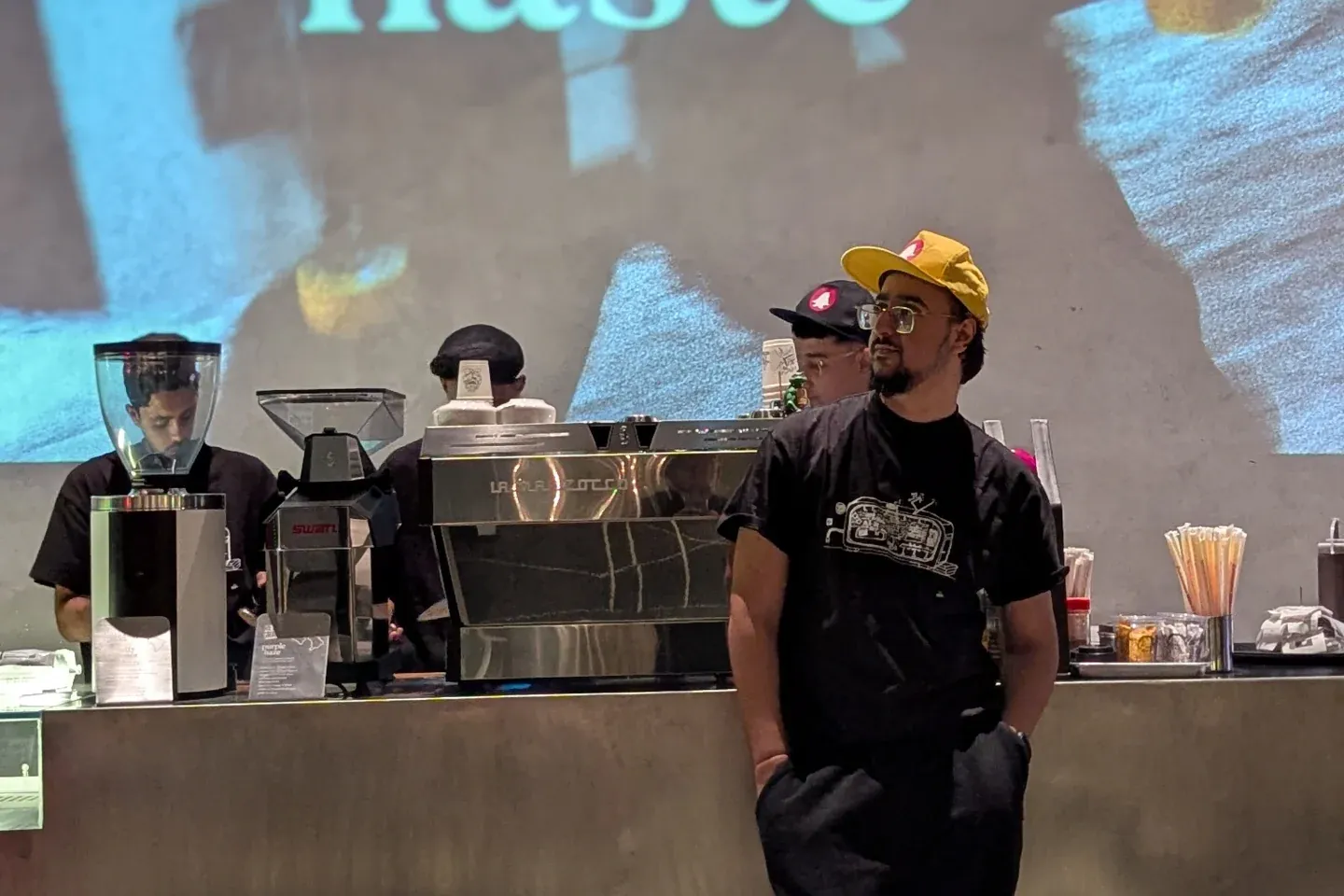
05
A bar layout that lets two baristas serve a queue without crossing paths, inside a room guests remember.
Learn more
Location, licences, budget, equipment, team and launch: the full path to opening a coffee shop in Lahore, from a consultant who does it on the ground.
Read the guide
Espresso, milk, latte art, workflow and hygiene: the barista training plan a new café in Pakistan needs, and how to keep standards after opening day.
Read the guideCoffee consultant by city
Ready when you are
Tell Ahmed where your plan stands today. You get a clear next step within one working day.