Coffee shop business plan in Pakistan: costs, margins and break-even
How to budget a café in Pakistan: start-up costs, cost per cup, rent-to-sales ratio and the break-even maths that decides whether to sign the lease.
Read the guide By Ahmed Hussain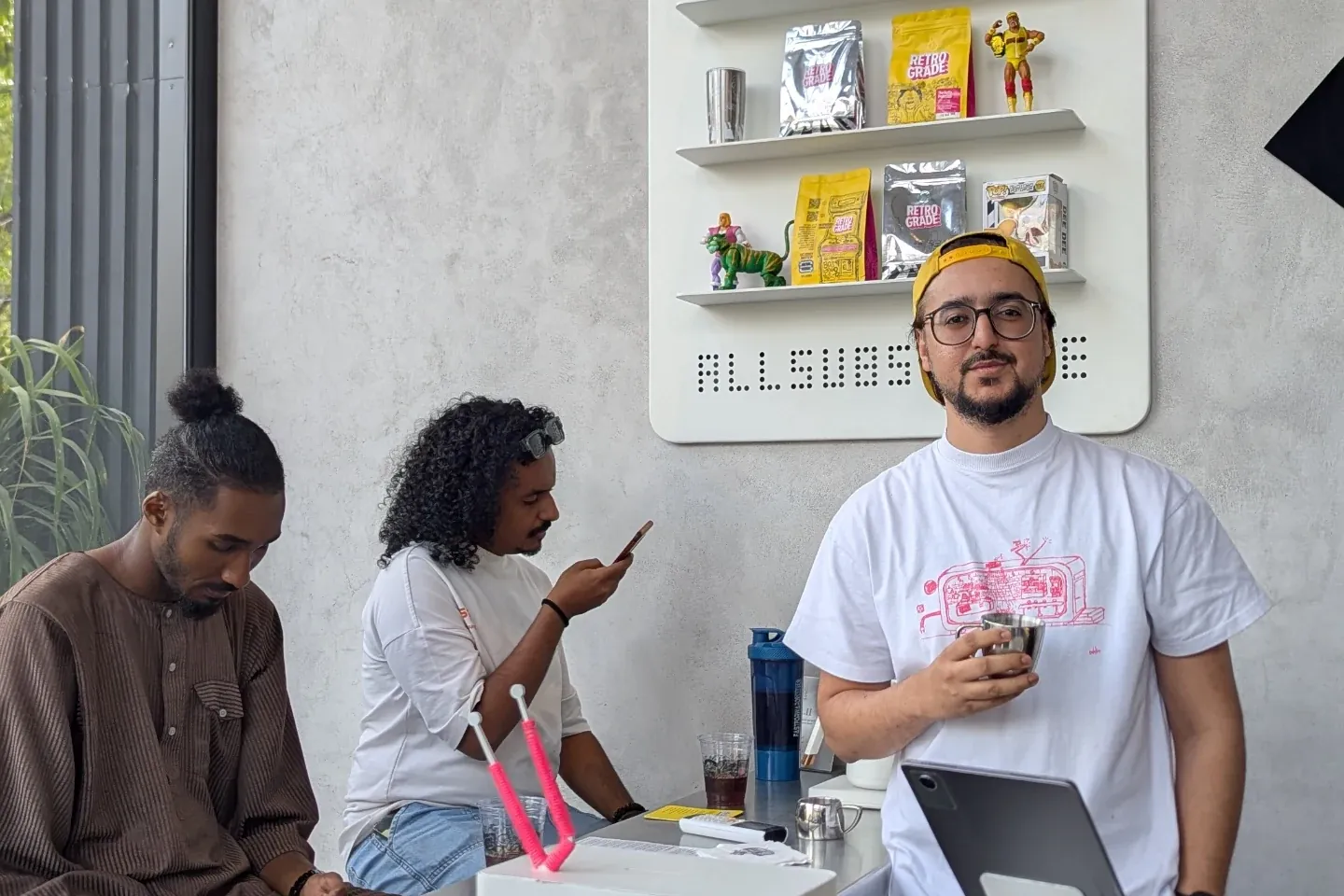
Plenty of people want to open a coffee shop in Lahore, and the city rewards the ones who plan properly. Customers here are curious, social and willing to pay for a good cup, but they move on quickly when quality slips or a place feels like a copy of the one down the road.
This guide walks through a Lahore café project in the order it actually happens: concept, area, lease checks, permits, budget, power and water, bar layout, training and the soft opening. Any money figures are indicative planning ranges for 2026, not quotes. Rent, the dollar rate and supplier prices move, so verify everything with current quotes before you commit.
Before you look at a single shop, write down who your café is for and why they will come back. "Specialty coffee and pastries for students and freelancers in Johar Town" leads to very different decisions than "a premium all-day café on MM Alam Road for brunch and evening meetups". The first needs fast service, Wi-Fi, plug points and a price that works for daily visits. The second needs a kitchen, more seating, valet-friendly frontage and a much bigger budget.
Three questions shape almost everything that follows:
Be honest with the answers. A common pattern in Lahore is an owner who plans a coffee-first concept, then adds a full kitchen halfway through the fit-out because friends said "people here want food". That one decision changes ventilation, gas, staffing, licensing and budget. Make it on paper at the start, not on site in month three.
Location here is about more than footfall. Parking, evening traffic, how visible the frontage is from the road, and how the neighbourhood behaves after Maghrib all matter. A spot that looks dead at 11am can be packed at 10pm, and the reverse is true near offices.
| Area | Typical customer | What to watch |
|---|---|---|
| Gulberg and MM Alam Road | Professionals, groups, brunch and evening crowds | Highest rents, heavy competition, parking and valet pressure |
| DHA | Residents, families, weekend and late-night visitors | Commercial rules and rents vary a lot by phase and block |
| Johar Town | Students, young professionals, price-sensitive regulars | Lower average bill, so speed and volume matter more |
| Model Town | Established residents and families | Fewer suitable units, word of mouth carries weight |
| Bahria Town | Residents of the scheme, weekend family visits | The scheme's own rules and footfall in your specific block |
Visit each shortlisted site at different hours on at least one weekday and one weekend night. Count people walking past, note how many cars stop, and see which nearby cafés and restaurants are actually full. For a closer look at how the city's café scene differs from block to block, see the coffee consultant in Lahore page.
Before you sign, check the unit's sanctioned electricity load and whether it is single-phase or three-phase, whether there is a gas connection if you need one, the water supply, the drainage route for the bar sink and dishwasher, and where AC outdoor units and any kitchen exhaust can go. Landlords rarely volunteer these problems, and fixing them after signing is expensive.
Paperwork is not glamorous, but it can delay an opening by weeks. Requirements change, and they depend on whether your site falls under a development authority (such as LDA, DHA or a private scheme's own administration) or your local TMA. Treat this list as a starting point and confirm every item with the relevant authority.
Start the applications as soon as the lease is signed. Some inspections need the space to be operational, but registrations and approvals can run in parallel with construction instead of after it.
A typical café project in Lahore moves through these phases. The durations assume a small to mid-size café with seating, not a kiosk and not a large restaurant.
| Phase | Typical duration | Main work |
|---|---|---|
| Concept and feasibility | 2 to 4 weeks | Concept, area research, menu direction, business plan |
| Site and lease | 2 to 6 weeks | Viewings, technical checks, negotiation, signing |
| Design and approvals | 3 to 6 weeks | Layout, bar design, permits started, equipment ordered |
| Fit-out | 6 to 12 weeks | Civil work, electrical, plumbing, furniture, branding |
| Equipment and training | 2 to 4 weeks | Installation, calibration, staff training |
| Soft opening | 1 to 2 weeks | Limited menu, invited guests, fixing problems |
As a planning range in 2026, a compact café with 20 to 40 seats in a mid-tier Lahore area might need roughly PKR 15 million to 40 million all in, covering fit-out, equipment, opening stock, deposits and working capital. A counter or kiosk concept can come in well under that, and a flagship on a prime road can go far above it. Rent advances, kitchen size and equipment tier cause most of the difference. The coffee shop business plan guide breaks these costs down line by line, but treat all of these numbers as a sense of scale and get current quotes.
Keep three to six months of operating costs in reserve. New cafés rarely hit their target volume in the first month, and running short of cash in month three forces bad decisions about staff and quality.
Two things catch new owners out more than anything else: electricity and water.
Espresso machines and grinders do not like unstable supply. Voltage drops and spikes shorten the life of heating elements and electronic boards. Plan for:
Air conditioning through a Lahore summer is a big load on its own. Size your backup with your electrician around what must keep running during an outage, not around the whole building.
Supply water and groundwater in much of Lahore are hard, which means scale builds up inside boilers. Scale spoils taste and is one of the most common causes of espresso machine breakdowns. Test the water at your site and budget for a proper filtration setup, often reverse osmosis with remineralisation, or a softener with cartridge filters. The guide on choosing an espresso machine and grinder covers filtration and power protection in detail.
The bar is where your café either flows or jams. A good layout keeps the barista's main movements within a step or two: grinder beside the machine, knock box under the grinder, milk fridge below the steam wand side, cups within reach, and one clear handover point for finished drinks.
Lahore summers mean iced drinks can make up a large share of sales for several months of the year. Plan space for an ice machine or ice storage, a blender if you sell blended drinks, and enough under-counter refrigeration so baristas are not walking to the kitchen for milk during a rush. The café design and workflow service exists for exactly this stage.
Order long-lead items early. Imported machines and grinders can take weeks if the importer has no stock, and customs or dollar-rate changes can move the price between quotation and delivery. Get quotes in writing with a validity date and a clear delivery and installation schedule.
Hire your head barista early enough to have a say in final bar decisions and to help train the rest of the team. Training should start once the machine is installed and calibrated, not on opening day. Two to three weeks of daily practice, including mock rushes, is a realistic minimum for a team new to specialty coffee. A structured barista training programme shortens that learning curve.
The soft opening is a rehearsal, not a launch. Open with a reduced menu, invite friends, family and neighbours, and watch where things break: tickets piling up at the bar, food arriving before drinks, the POS printing to the wrong station, the main breaker tripping when the machine and AC start together. Fix these before your public launch and before you spend anything on promotion.
Ahmed Hussain is a Lahore-based coffee consultant who has worked hands-on in cafés in Saudi Arabia and Pakistan, starting from washing cups and going on to run bars, and he launched Retrograde Coffee in Lahore. If you want an experienced second opinion on any stage above, from site checks to training, see the coffee shop consulting service or book a consultation to talk through your plan.
Written by
Coffee consultant in Lahore. Years behind café bars in Saudi Arabia and Pakistan; launched Retrograde Coffee in Lahore; beverage expert at Monin Pakistan events.
Want Ahmed to look at your plan? A short message is enough to start.
FAQ
Still unsure? Ask Ahmed on WhatsApp.
As a rough planning range in 2026, a compact café with 20 to 40 seats in a mid-tier area might need around PKR 15 million to 40 million all in. A kiosk can cost much less and a flagship on a prime road much more. Rent advances, kitchen size and equipment tier cause most of the difference, so get current quotes before committing.
Most cafés need a licence or registration from the Punjab Food Authority, commercial use and signage approvals from the local TMA or development authority, and FBR and PRA registration for tax. Fire safety and building management permissions may also apply. Rules change, so confirm the current list with each authority.
From first concept to public launch, many projects take roughly four to eight months. Site search and fit-out are usually the longest stages, and late equipment or permits can stretch that further. Running permits and equipment orders in parallel with construction saves time.
There is no single best area. Gulberg and MM Alam Road bring footfall with high rents and competition, DHA suits residents and families, and Johar Town suits students and price-sensitive regulars. The right choice depends on your concept, average bill and budget.
Stable power matters most. A correctly sized voltage stabiliser protects the machine, and a generator or solar backup keeps the bar running during load-shedding. A small UPS for the POS and router keeps you taking orders during the switchover.
Keep exploring
01
From concept and location to opening day: a complete plan for a café that works from the first cup.
Learn more
05
A bar layout that lets two baristas serve a queue without crossing paths, inside a room guests remember.
Learn more
08
Investment, running costs, cost per cup and break-even, written so you can decide before you sign a lease.
Learn more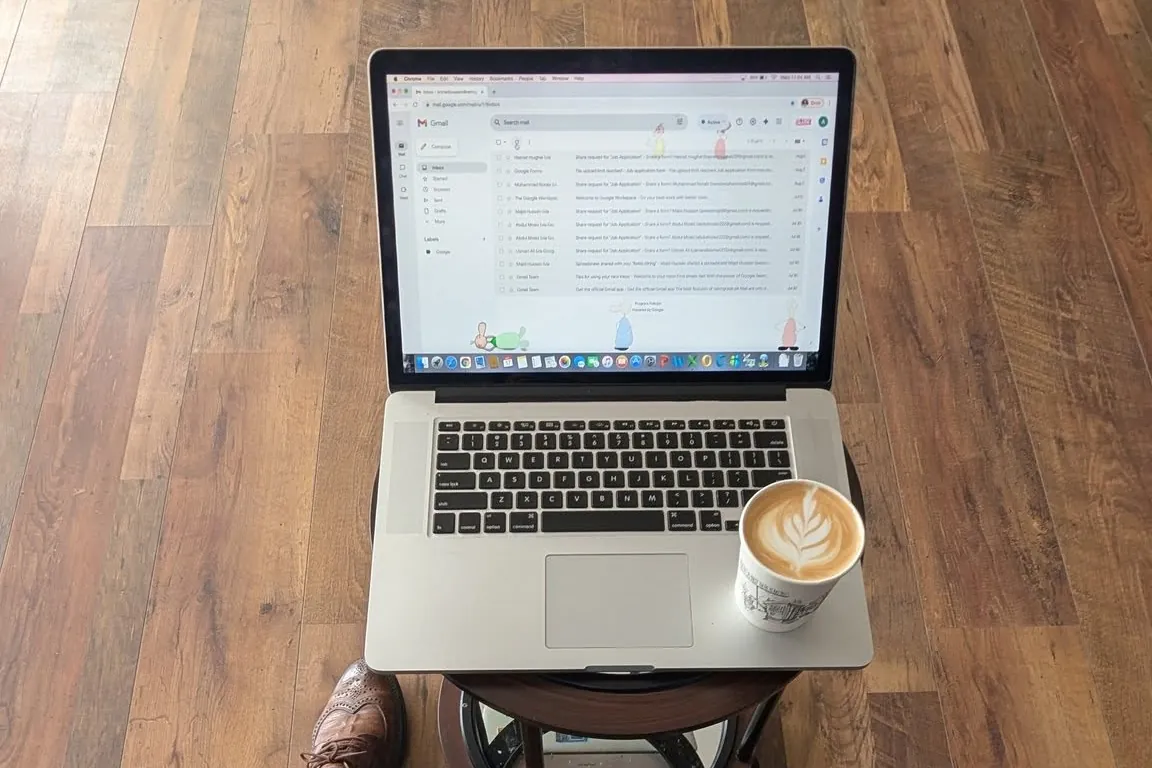
How to budget a café in Pakistan: start-up costs, cost per cup, rent-to-sales ratio and the break-even maths that decides whether to sign the lease.
Read the guide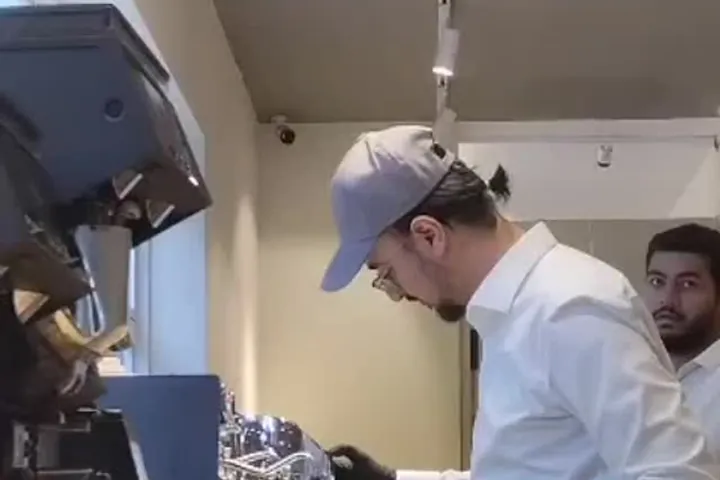
Groups, boilers, grinders, water and voltage: how to choose café espresso equipment in Pakistan that suits your volume, power supply and after-sales.
Read the guideCoffee consultant by city
Ready when you are
Tell Ahmed where your plan stands today. You get a clear next step within one working day.