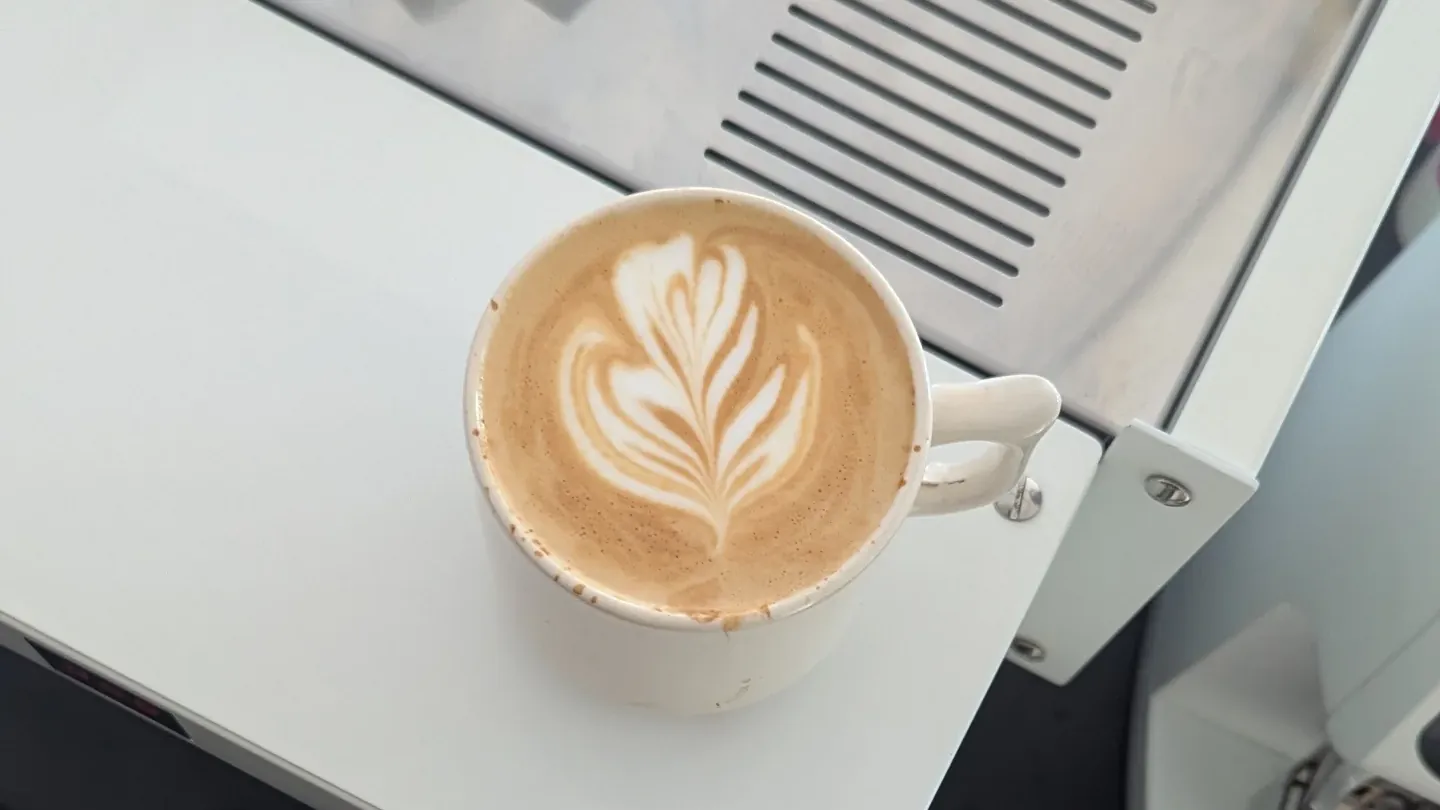
Choosing an espresso machine and grinder for a café in Pakistan
Groups, boilers, grinders, water and voltage: how to choose café espresso equipment in Pakistan that suits your volume, power supply and after-sales.
Read the guide By Ahmed Hussain
Barista training in Pakistan often gets squeezed into the last few days before opening, after the fit-out overruns and the equipment arrives late. The result is familiar: a beautiful café with a team that cannot keep up on the first busy Friday night, drinks that taste different every visit, and regulars who quietly stop coming back.
This article sets out what a café team actually needs to master before the doors open, with standards you can test against, a realistic training schedule, and the Pakistan-specific details that most generic courses skip: local milk, iced drinks through a long summer, food authority hygiene expectations and keeping trained baristas once you have them.
"Trained" is too vague to manage. Set clear standards, write them down and test each barista against them before opening day. A practical baseline for every barista on bar:
A head barista should also be able to train others, adjust recipes when a new batch of beans arrives and spot equipment problems early. If nobody on the team meets those standards, the training is not finished, whatever the calendar says.
Every café needs a written espresso recipe: dose in grams, yield in grams and a target time range. A common starting point for a double shot is around 18 g of ground coffee producing roughly 36 to 40 g of espresso in about 25 to 32 seconds, but the right recipe depends on the bean and the roaster's guidance. Taste decides; the numbers just make it repeatable.
Dialling in is a daily job, not a one-off. Grind size needs adjusting as beans age after roasting, as the grinder warms up through service and as humidity changes. Lahore's weather swings from dry winters to humid monsoon weeks, and baristas will notice the same grind setting behaving differently. Teach them to:
Teach the basics of the machine as well: how to purge the group, why the portafilter must be clean and dry, how to distribute and tamp evenly, and how to recognise channelling. The guide to choosing an espresso machine and grinder explains why equipment choice affects how hard this is.
Most coffee sold in Pakistani cafés contains milk, so milk technique carries more weight here than in markets with a strong black coffee culture. Local milk also behaves differently from what many international training videos assume.
Milk also needs storing correctly in heat. Under-counter fridges must hold temperature with the bar running in a hot Lahore afternoon, and only the milk needed for the next hour or so should be out at a time.
From around April to October, iced drinks can be a large share of sales in Lahore, Multan and Faisalabad. Iced lattes, iced Spanish lattes, cold brew and blended drinks need their own training, not an afterthought.
Key points to teach:
Iced drinks also change your workflow. A bar designed only for hot drinks can jam when one barista is shaking, pouring and capping cups while hot orders queue behind. Practise mixed rushes during training.
Hygiene is not just a licensing matter. Dirty equipment makes bitter coffee, and a sick customer can end a café's reputation. The Punjab Food Authority and food authorities in other provinces have requirements around premises, storage and staff health and hygiene; confirm the current rules for your location and make sure your training covers them.
A daily closing routine every barista should run without being told:
Personal hygiene matters too: clean uniforms, short nails, hair covered where required and hand washing between tasks. Make it part of the standard, not a poster on the wall.
Speed comes from preparation and layout more than rushing. Train baristas in a fixed bar routine: who takes tickets, who pulls shots, who steams, who finishes and hands over. Teach call-outs so the team does not collide, and set target times for common drinks.
Mock rushes are the most valuable part of pre-opening training. Print 30 tickets with a realistic mix of hot, iced and food items, start a timer and run the bar as if it were a busy Saturday night. Then review: where did tickets wait, who walked too far, what ran out? Repeat until times are steady and quality holds.
Service is part of the drink. Baristas should be able to describe each coffee simply, suggest something based on what the customer usually drinks, and remake a drink without argument when it is wrong. That is easier when the team understands how the menu was built; the café menu pricing guide shows how signature drinks and add-ons fit together.
For a team that is new to specialty coffee, two to three weeks of daily training after the machine is installed is a sensible minimum.
| Period | Focus | Ready when |
|---|---|---|
| Days 1 to 3 | Equipment, safety, cleaning, espresso basics | Each barista can pull a recipe shot and clean the machine |
| Days 4 to 7 | Dialling in, milk texture, core hot drinks | Consistent flat whites and lattes, basic latte art |
| Week 2 | Full menu, iced drinks, cold brew, signature drinks | Every recipe made to spec by every barista |
| Week 3 | Mock rushes, service, POS, closing routines | Target drink times met with quality intact |
| Soft opening | Real customers on a limited menu | Team runs a full shift without the trainer stepping in |
Train on the beans, milk, cups and machine you will actually use on opening day. Skills learnt on a different machine at an academy transfer, but the details do not: steam pressure, grinder response, cup sizes and fridge positions all change how a barista works. If your equipment arrives late, push the opening date rather than cutting training to a few days; a weak first month is far more expensive than a one-week delay. The how it works page explains how training fits into a wider opening plan.
Budget the training period as a real cost. Staff are on salary, you will use several kilograms of coffee and a lot of milk on practice drinks, and some cups will be wasted. Put it in the plan as a pre-opening line so it is not the first thing cut when the fit-out runs over.
A good barista in Pakistan is easy to poach, and losing your head barista a month after opening can undo much of the training investment. Protect it:
Ahmed Hussain built his skills on the bar, working in cafés in Saudi Arabia and Pakistan from washing cups to running bars, and he runs a free 30-day coffee course on Instagram at @ahmedbrews, a useful free starting point for new team members. For structured, hands-on training of your own team on your own equipment, see the barista training service, or book a consultation to plan training around your opening date. If your menu is still being written, the café menu development service can run alongside it.
Written by
Coffee consultant in Lahore. Years behind café bars in Saudi Arabia and Pakistan; launched Retrograde Coffee in Lahore; beverage expert at Monin Pakistan events.
Want Ahmed to look at your plan? A short message is enough to start.
FAQ
Still unsure? Ask Ahmed on WhatsApp.
For a team new to specialty coffee, two to three weeks of daily practice after the machine is installed is a realistic minimum before opening. Basic skills come in days, but consistency under pressure takes longer. Training should continue after opening as the team meets real rushes.
Online material is a useful start for theory, and Ahmed runs a free 30-day coffee course on Instagram at @ahmedbrews. But espresso and milk skills need hands-on practice on a commercial machine with feedback. Most cafés combine online learning with on-site training before opening.
Consistent packaged pasteurised or UHT milk is usually a better choice for a café than loose milk, because fat and freshness vary less. Test two or three brands for texture and taste with your espresso, then standardise on one. Offer plant milks as a separately priced add-on.
The Punjab Food Authority sets requirements for premises, storage and staff health and hygiene in food businesses. Rules change, so confirm the current requirements with the authority for your location. Daily cleaning routines and personal hygiene standards should be part of every barista’s training.
Offer a clear progression with pay steps, keep the work interesting with tastings and new skills, and recognise good work. Keep a written recipe book and cross-train staff so losing one person does not take your quality with them.
Keep exploring
01
From concept and location to opening day: a complete plan for a café that works from the first cup.
Learn more
02
Hands-on training for your team in espresso, milk, latte art, hygiene and speed of service.
Learn more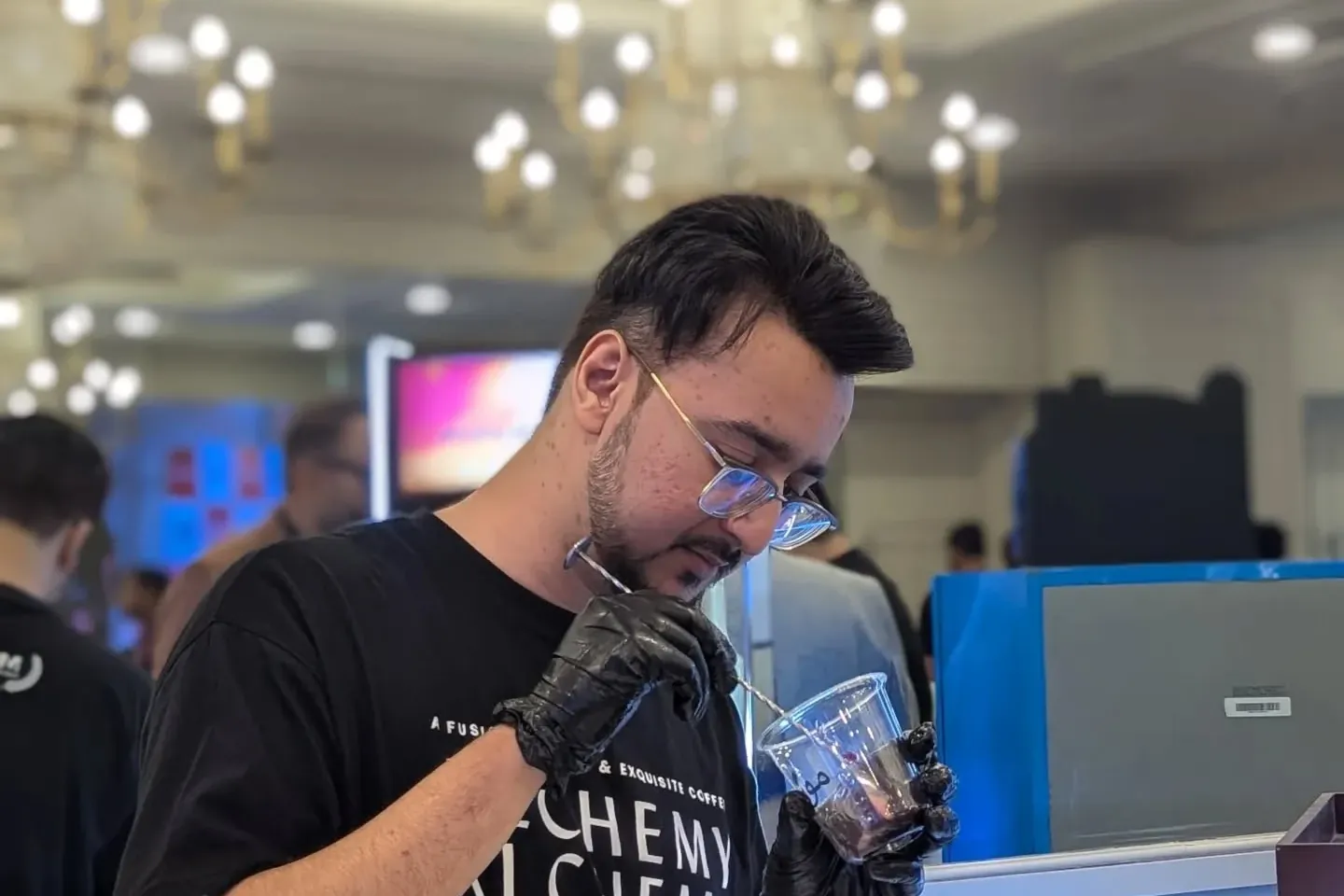
03
Signature drinks and a menu priced for margin, with recipes your team can repeat on a busy evening.
Learn more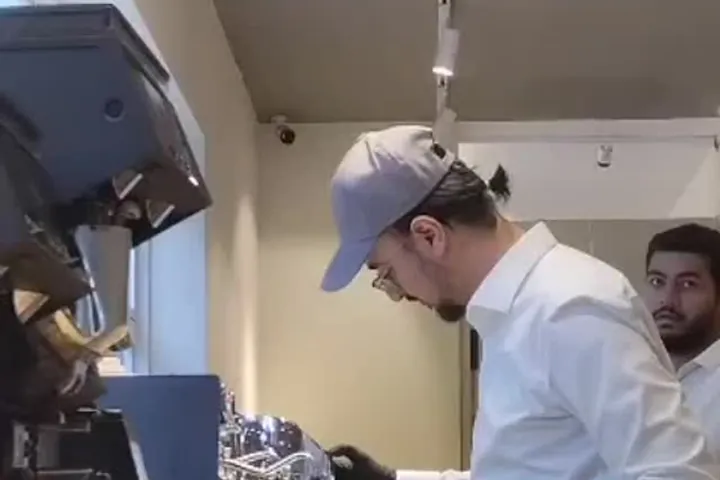
Groups, boilers, grinders, water and voltage: how to choose café espresso equipment in Pakistan that suits your volume, power supply and after-sales.
Read the guide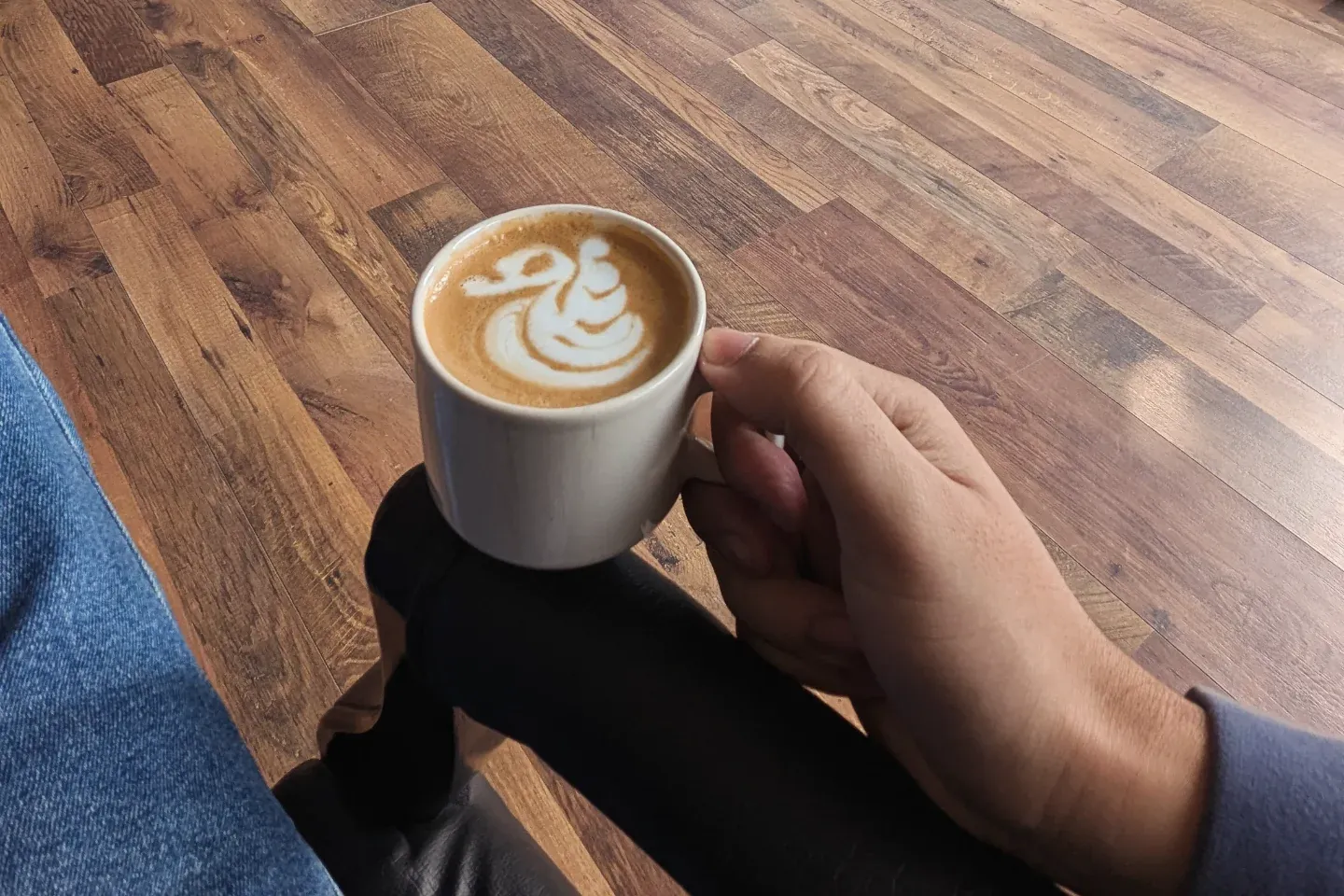
Work out cost per cup in rupees, set prices that protect your margin and design a café menu that sells the drinks you want to sell.
Read the guideCoffee consultant by city
Ready when you are
Tell Ahmed where your plan stands today. You get a clear next step within one working day.